

Delaware House Bill 439, introduced on May 21, 2026, would restrict dealers from selling or advertising electric mopeds and electric motorcycles as “e-bikes” or “electric bicycles.” The rider-facing point is simple: the bill tries to separate legal e-bikes from faster, higher-powered vehicles that may need registration, licensing, and insurance.
The bill is not law. The Delaware General Assembly page lists HB 439 as introduced and assigned to the House Public Safety and Homeland Security Committee on May 21, 2026. It also lists the status as House Public Safety and Homeland Security.
What HB 439 Would Do
The bill’s synopsis calls the proposal the Truth in E-Bike Marketing Act. It says the goal is to protect consumers from buying an electric moped or electric motorcycle while believing the device can be used the same way as an electric bicycle.
Under the bill text, a dealer or dealer’s agent could not sell, offer for sale, rent, or lease a moped or motorcycle using terms such as “bicycle,” “electric bicycle,” “electric bike,” or “e-bike.” The bill would also restrict labels that identify a moped or motorcycle as an electric bicycle.
HB 439 would require clear disclosures in advertisements for electric mopeds or motorcycles. Those disclosures would cover the vehicle’s legal classification, maximum power, and whether registration, an operator license, and insurance are needed for public-road use.
The proposal would also require a written disclosure before completing a sale, including online transactions. Failure to provide the disclosures would be treated as an unlawful business practice under the bill.
Bike Lanes and Crash Reporting
The bill goes beyond advertising. Its synopsis says it would clarify that mopeds may not be operated on public pathways, bike lanes, or sidewalks. The bill text would replace current pathway language with a restriction on operating a moped or triped in a bike lane, sidewalk, or pathway closed to motor vehicle traffic.
It would also change crash reporting language so the state crash reporting website identifies whether a pedestrian, bicycle, electric bicycle, moped, or motorcycle was involved in a crash.
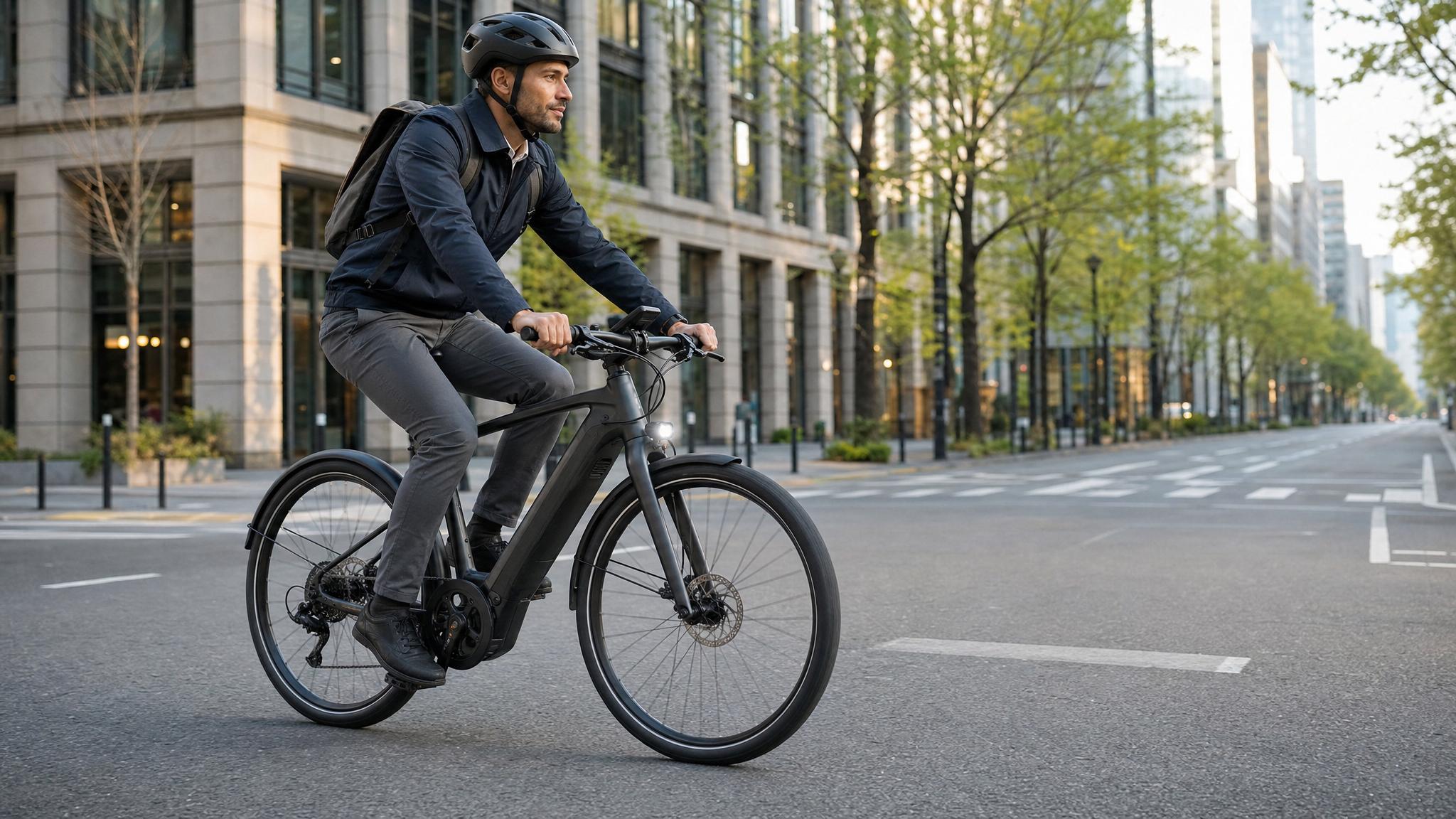
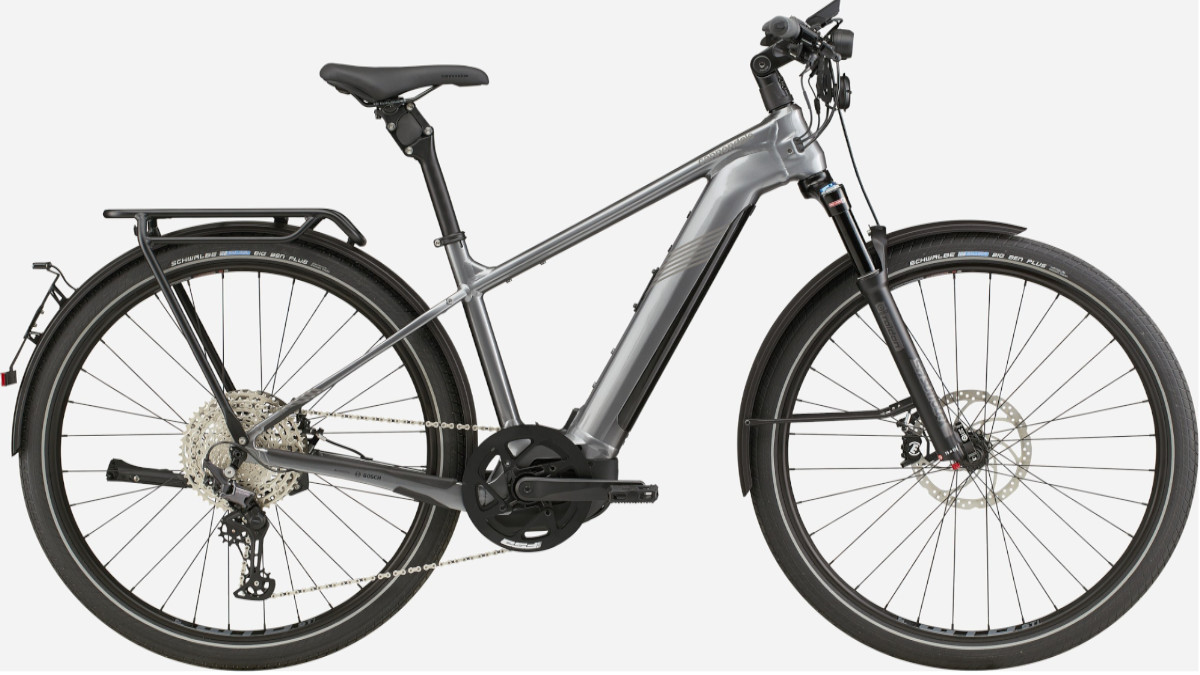
Those details matter because the same “e-bike” label can hide very different machines. A legal pedal-assist e-bike, a throttle e-bike, a moped, and a small electric motorcycle can have different speeds, weights, braking needs, operating rules, and insurance questions.
Why It Matters for Riders
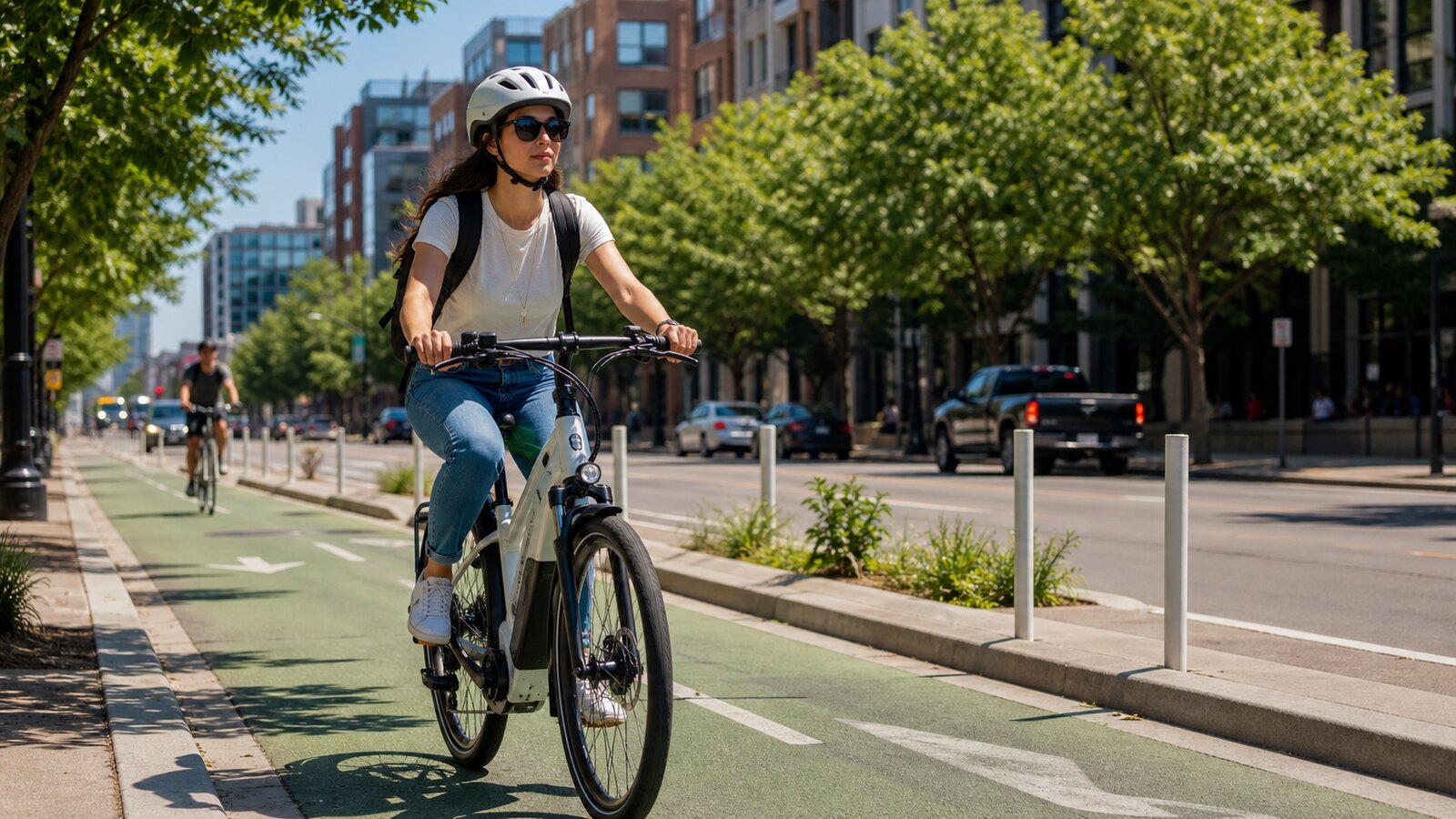
For riders, clearer labels are not just consumer-protection paperwork. If a vehicle is marketed as an e-bike but legally operates as a moped or motorcycle, the buyer may end up with a machine they cannot use in bike lanes, on shared paths, or without paperwork they did not expect.
That confusion also affects other riders. A heavy, high-powered device in a narrow bike lane behaves differently from a Class 1 or Class 2 e-bike. Delaware’s bill is one example of a broader policy trend: states are trying to draw brighter lines between bicycles, e-bikes, mopeds, and electric motorcycles as the market gets messier.
Icebike’s electric bike guide, best electric bikes roundup, and coverage of the Massachusetts Ride Safe Act can help riders think through the practical differences between legal categories, equipment, and real-world use.
What Is Still Unclear
The official record confirms introduction, sponsor information, committee assignment, and the bill text available on May 26, 2026. It does not confirm passage, amendments, enforcement rules, or final consumer-facing forms.
Until HB 439 advances, Delaware riders and retailers should treat it as a proposal. The useful takeaway today is that lawmakers are looking directly at e-bike marketing language, not only rider behavior after purchase.
The Bottom Line
Delaware HB 439 would make it harder to sell high-powered electric mopeds and motorcycles under ordinary e-bike language, while requiring clearer buyer disclosures about classification, power, registration, licensing, and insurance. For riders, the practical question is whether the vehicle being sold as an e-bike is actually legal to ride where they plan to use it.
Should you have any questions or require further clarification on the topic, please feel free to connect with our expert author Jerry O by leaving a comment below. We value your engagement and are here to assist you.