Bike Lights, Batteries, and Reflectors: A Practical Visibility Guide
Choose bike lights, batteries, and reflectors by route darkness, runtime reserve, side visibility, weather, winter conditions, and legal requirements.

Choose bike lights, batteries, and reflectors by route darkness, runtime reserve, side visibility, weather, winter conditions, and legal requirements.
This Alaskan winter bike racing archive explains snow-trail conditions, route judgment, visibility, tire choice, and why winter trails change day to day.
Build winter road bike training around indoor structure, outdoor safety, cold-weather clothing, recovery, visibility, traction, and realistic ride goals.
Layer winter cycling clothes by temperature, wind, effort, sweat, stop time, and body zone so you stay warm without overheating.
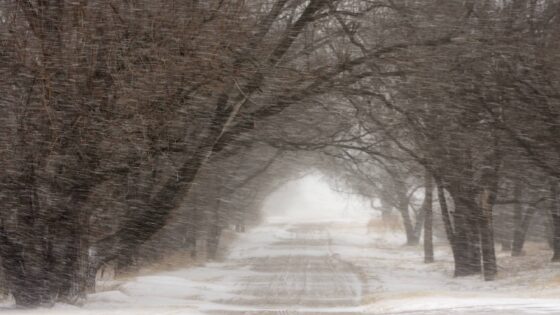
Use the wind chill chart to understand how air temperature, wind, riding speed, exposed skin, sweat, and daylight change winter cycling risk.
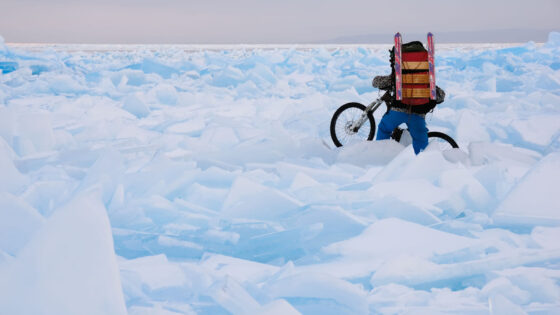
Plan winter cycling gear by protecting hands, feet, face, core, lights, traction, repair items, and backup warmth for the actual route conditions.
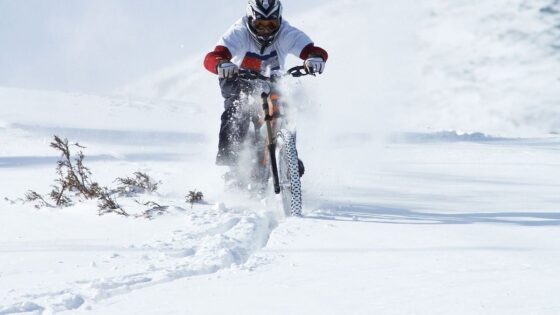
Use these winter cycling techniques to ride more safely on snow, ice, slush, frozen ruts, cold pavement, and mixed winter routes.
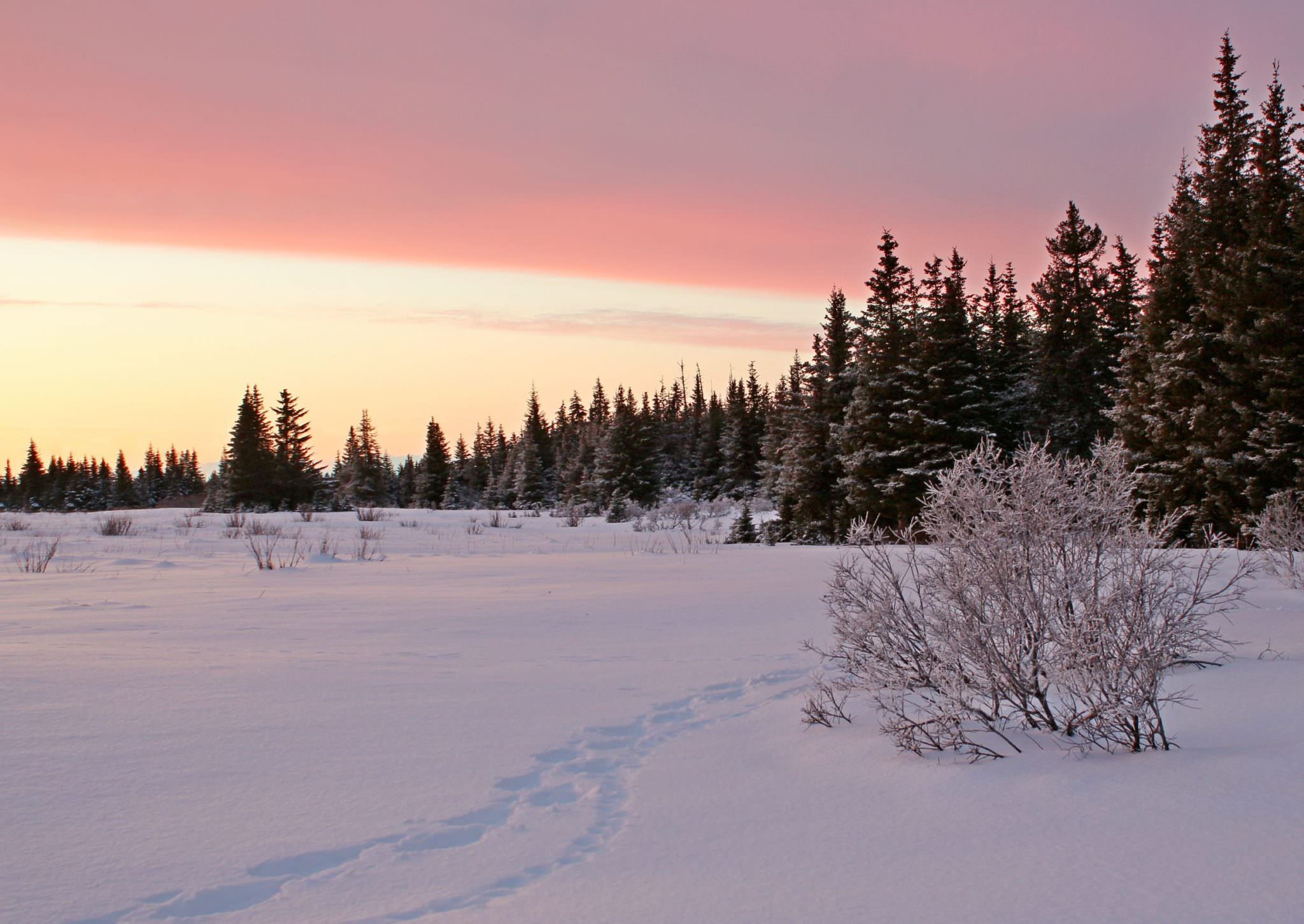
Read Icebike’s Arrowhead 135 bike race report with updated context for winter endurance riding, cold-weather preparation, and race-report takeaways.
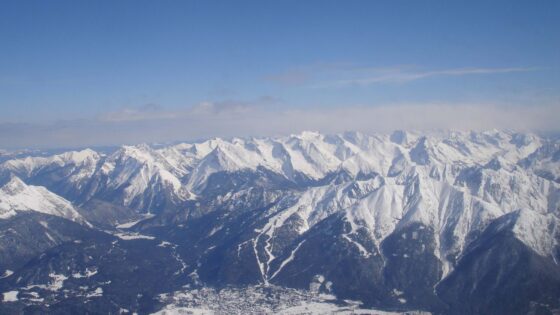
Read Icebike’s Austrian Ice mountain bike report with refreshed context for winter trail riding, tire choice, cold-weather handling, and route judgment.
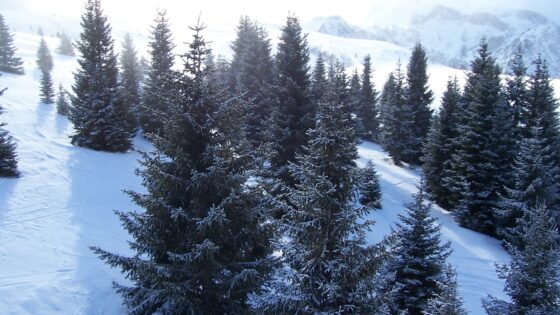
Read Icebike’s Iditasport Extreme 98 race report with updated guidance on what winter cyclists can learn from extreme cold-weather events.

Read Icebike’s Iditasport Impossible archive report with refreshed context for ice racing, winter endurance preparation, and cold-weather bike judgment.
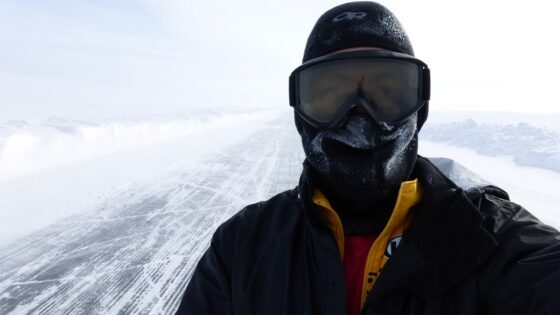
Learn how real winter biking works in deep cold, including clothing, tires, pacing, visibility, bike care, and when to shorten the ride.
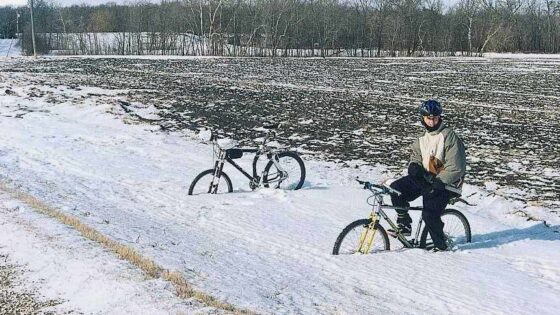
Explore Icebike’s archive of snow and ice cycling stories, with refreshed context for winter riding lessons, gear choices, and route judgment.
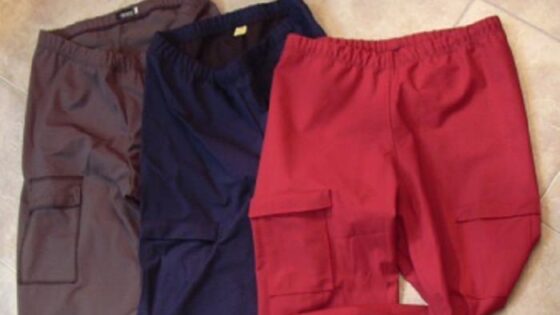
Use Icebike’s archive story about custom winter rain pants to understand fit, weather protection, breathability, and cold-weather cycling clothing choices.
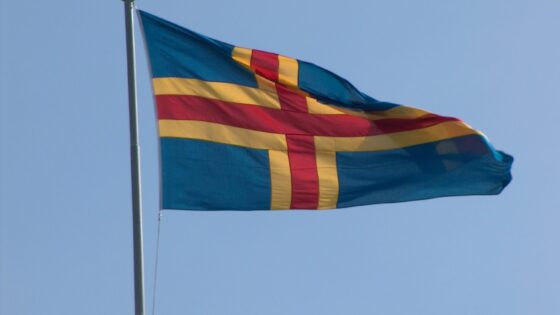
Read Icebike’s archive story about biking the ice road to the Aland Islands, with updated context for route risk, cold exposure, and winter travel judgment.
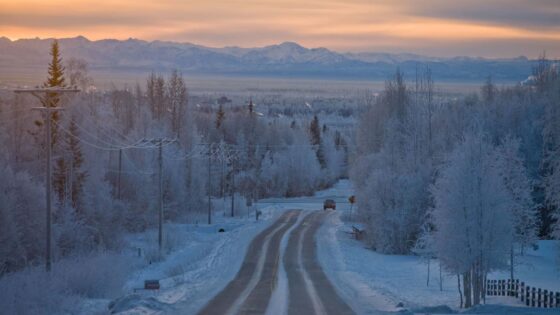
Choose a cycle computer for winter cycling by checking battery life, glove-friendly controls, mount security, visibility, sensors, and cold-weather reliability.
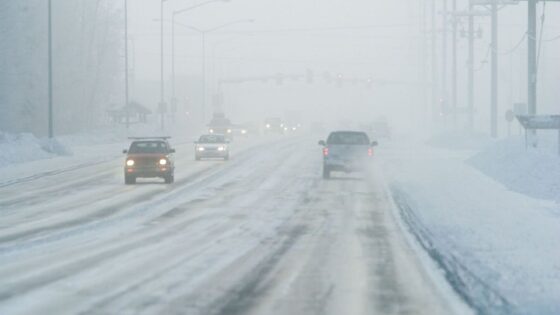
Use Pam Blalock’s winter cycling tips to plan safer cold-weather rides, choose routes, manage layers, and keep control in winter conditions.
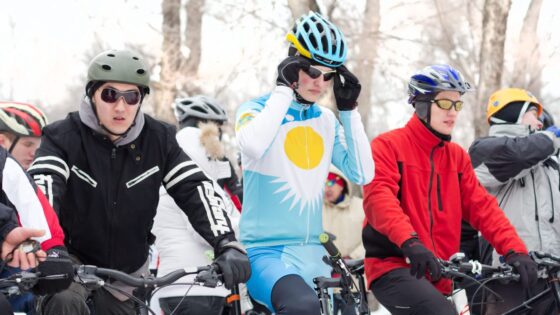
Choose winter cycling goggles by matching lens tint, ventilation, fit, fog control, helmet compatibility, and after-ride care to your riding conditions.
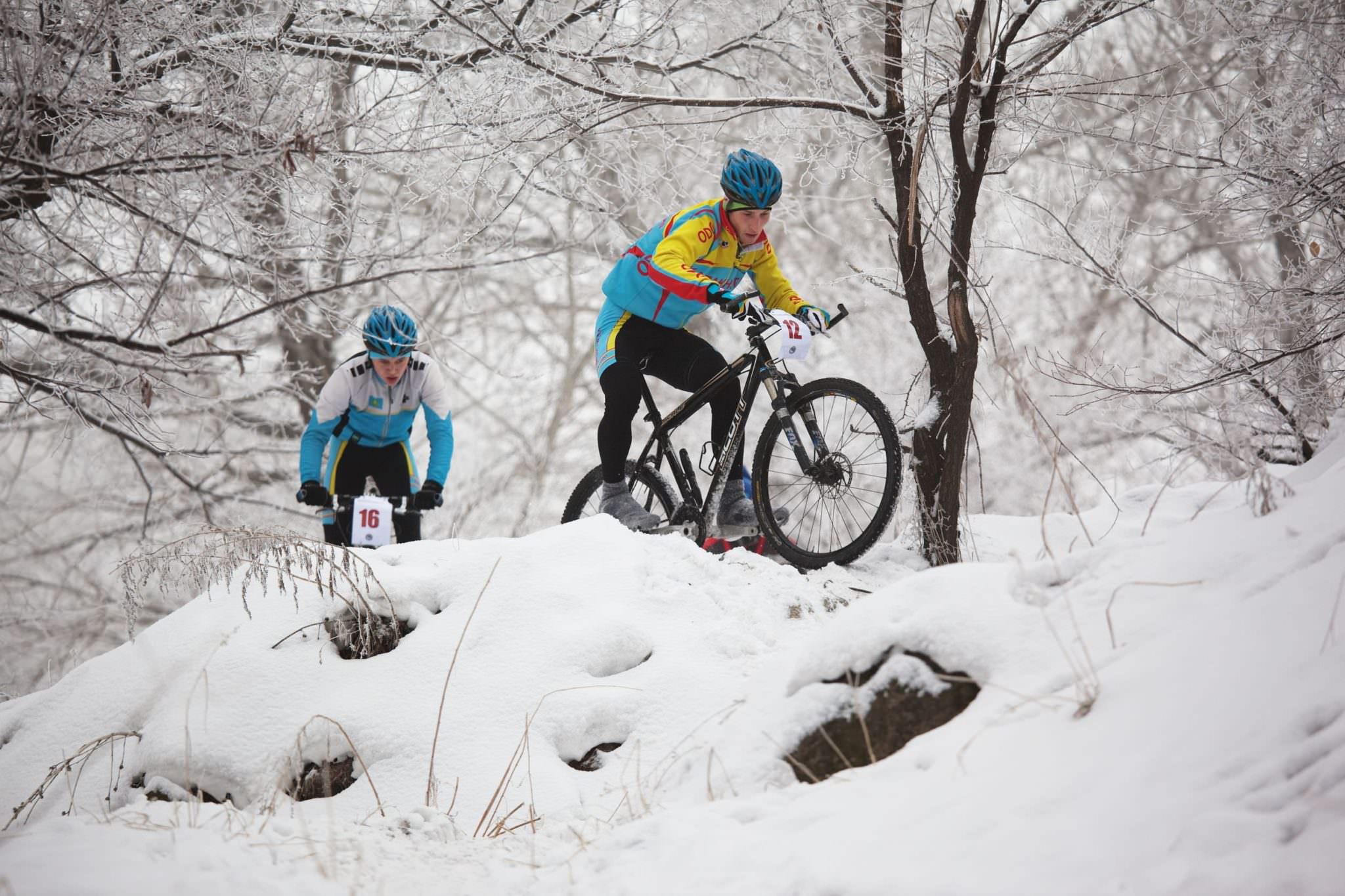
Learn what winter cyclists and ice bikers have in common, including motivation, gear habits, route choices, risk management, and cold-weather mindset.
Explore the history of ice biking and winter cycling, from practical cold-weather transport to modern winter riding culture and Icebike archive stories.
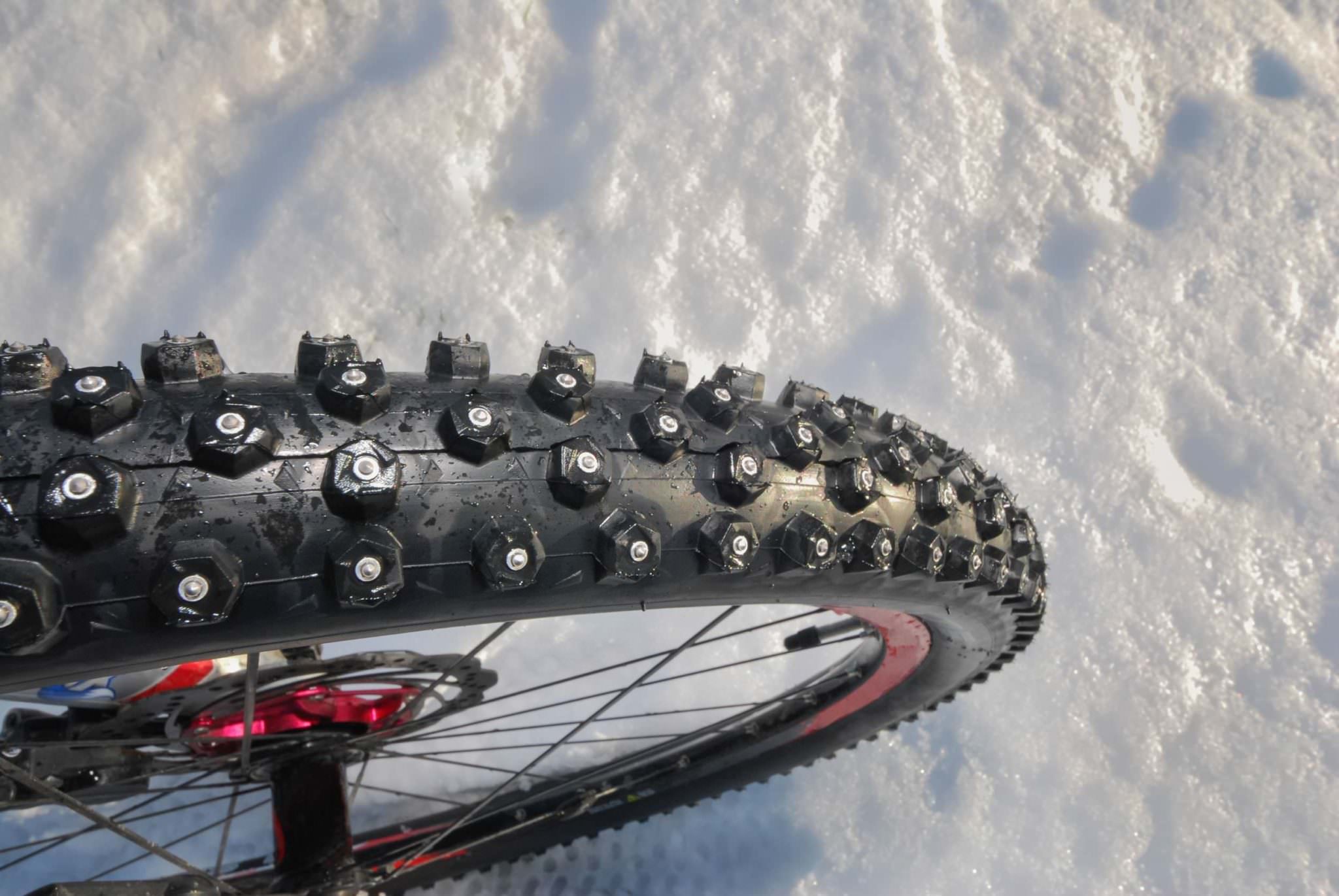
Choose winter bike tires by matching your surface, ice risk, clearance, tire width, studs, pressure, and braking needs.
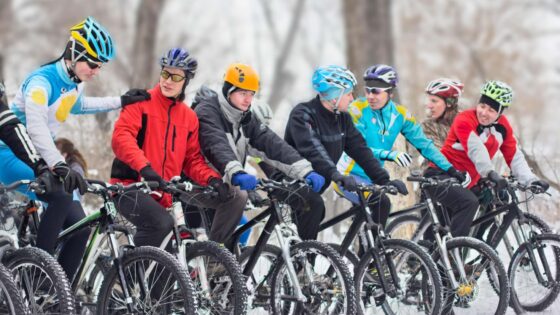
Learn how to ride in ice and snow with better tires, braking habits, route choices, clothing, visibility, and winter-bike handling.
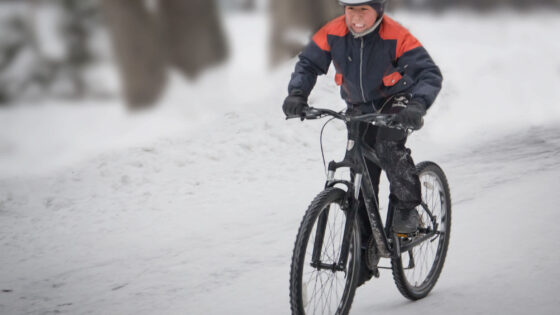
Besides the fact that they are out in the cold and the wind chill, your hands are also locked in the same position on the bike for your entire ride. This can reduce circulation and you can get really cold hands, perhaps frostbitten in short order. Many options help you cover your hands in the

Winter cycling offers the opportunity to retain, and even enhance, your cycling skills over the whole year. There are very few days during the winter in which cycling becomes impossible. If you’re able to cross-country ski, then you’re ready to cycle. The secret to successful winter cycling is that you stay warm and dry, maintain
I have a very bad tendency to seek tough mountain bike events. The events where you compete against yourself, where finishing is an accomplishment. The ones that make your parents wake up at night in a cold sweat. It all started in 1994 when I registered our team of five for the 24 Hours of
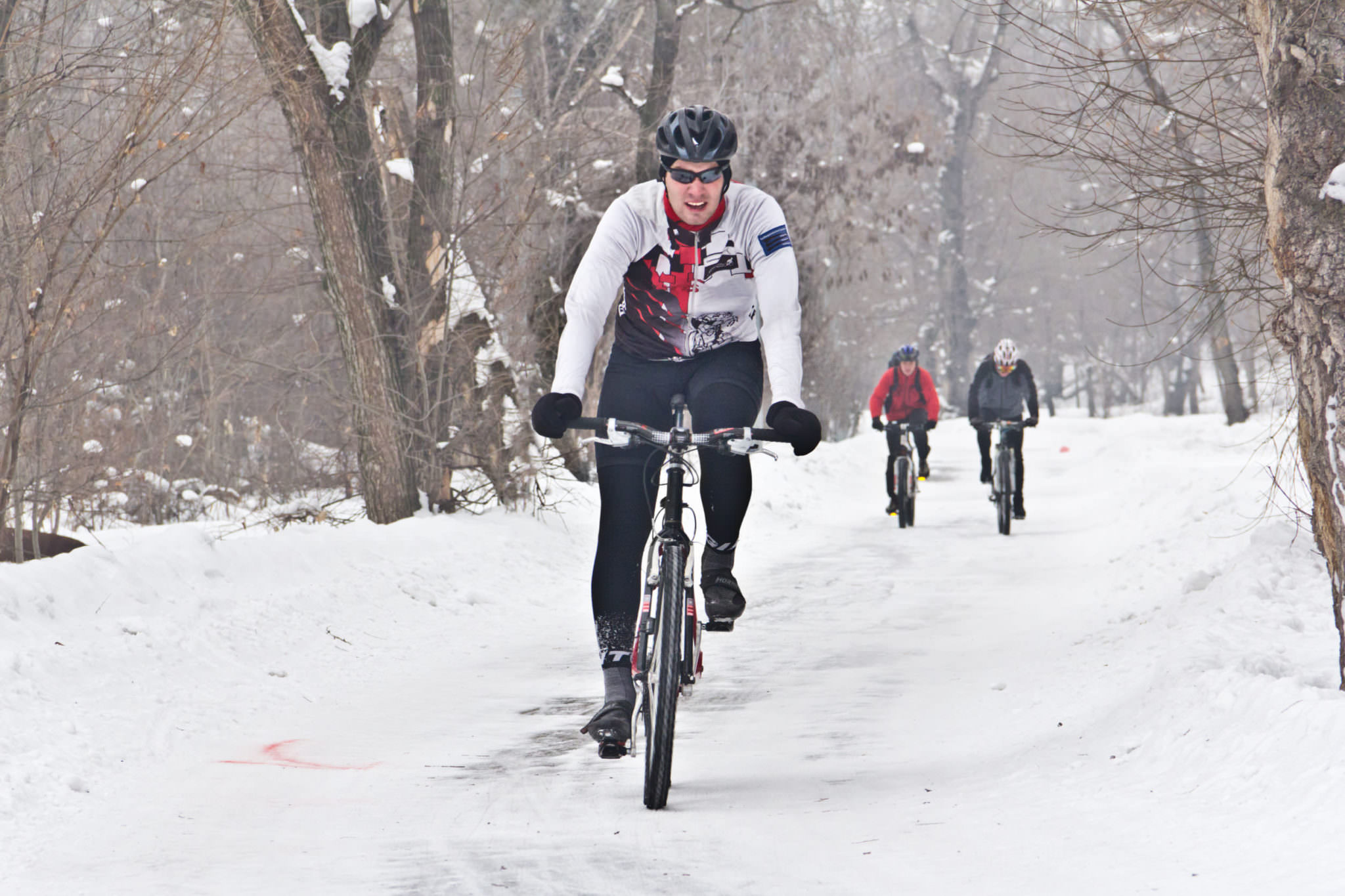
Icebikers have special needs when it comes to the layers next to the skin. While normal outdoor winter activity may require a simple pair of cotton long johns under jeans, this simply won’t do for winter cycling. Cyclists produce great amounts of heat (and sweat) and the traditional approaches to warmth just don’t work. First,
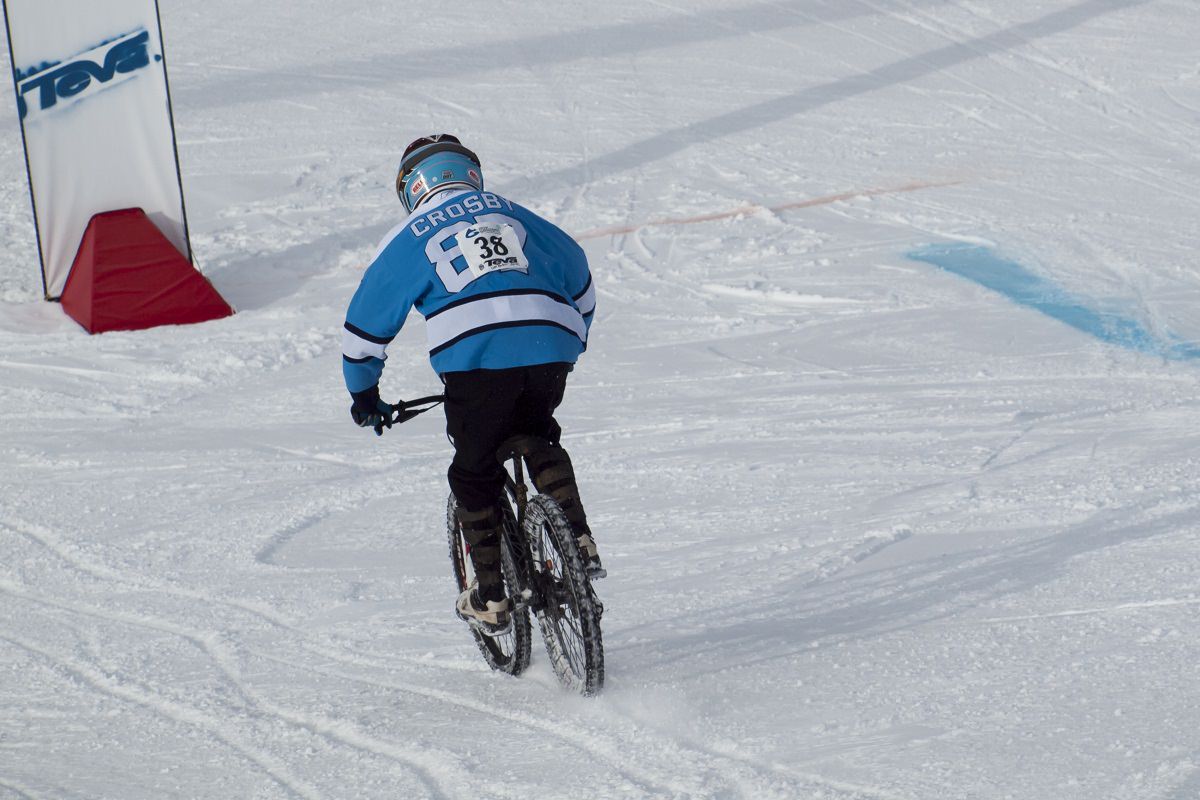
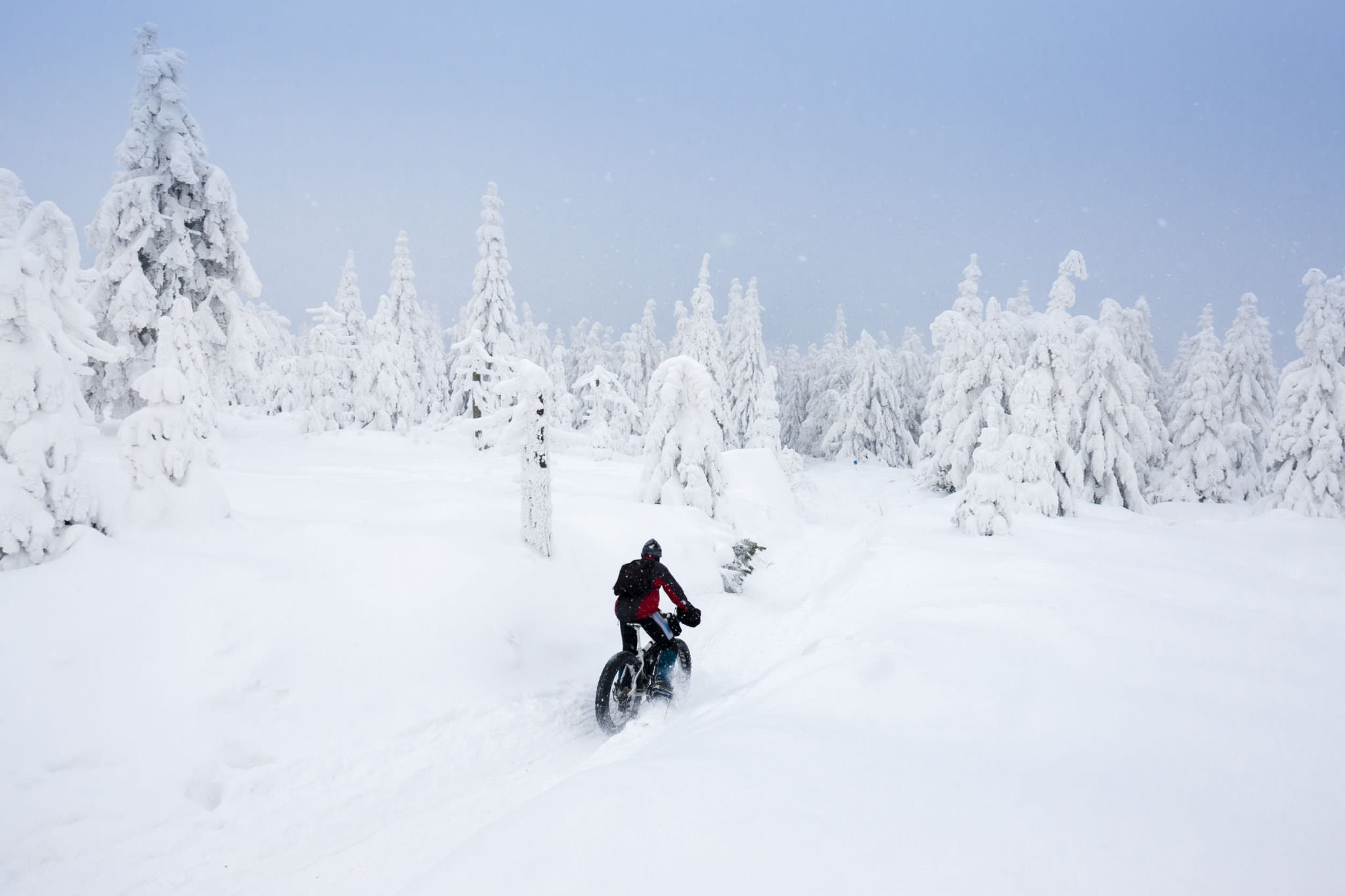
There is frequently much discussion as to why we cycle slower in winter than in summer. There are several reasons put forward for this often-observed phenomenon, some of which are well-reasoned and some of which are pure nonsense. Why Are You Slower In Winters? Some of the reasons put forth for slowness in winter are
Winterizing a freehub is simply overhauling it with the right lubricant. This piece should help you decide whether you need to winterize your freehub and get you through the procedure if you decide to try. Manufacturers assemble freehubs with varying amounts of fairly thick grease in the bearings and pawls. At temperatures below about 20
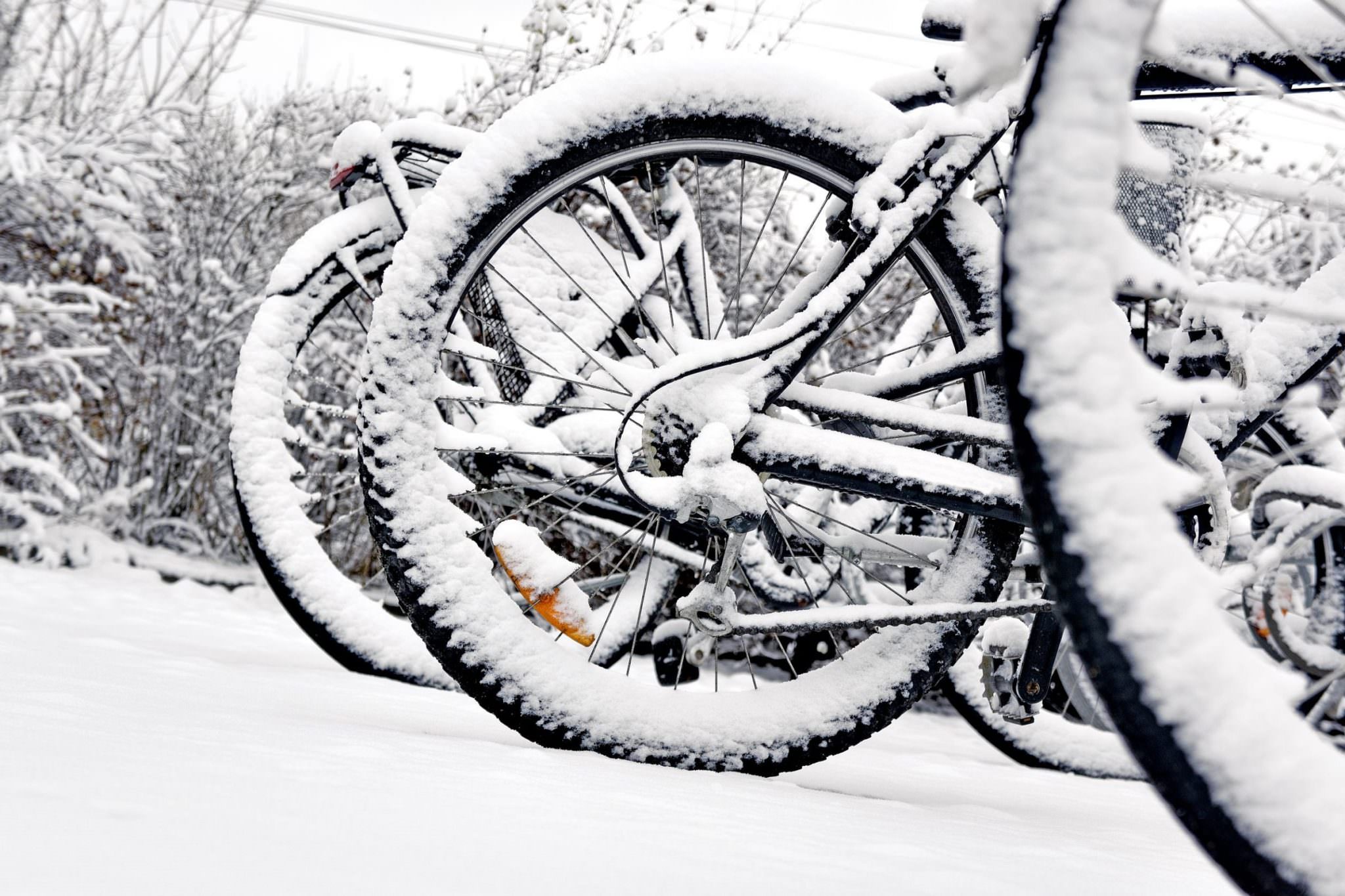
Many icebikers end up being rain bikers or snow-melt bikers or in some other way attract a lot of dirty water to the backside of their biking togs. Sooner or later the original idea of fenders dawns on the soggy rider and then the search is on of a good pair, which weighs nothing, looks
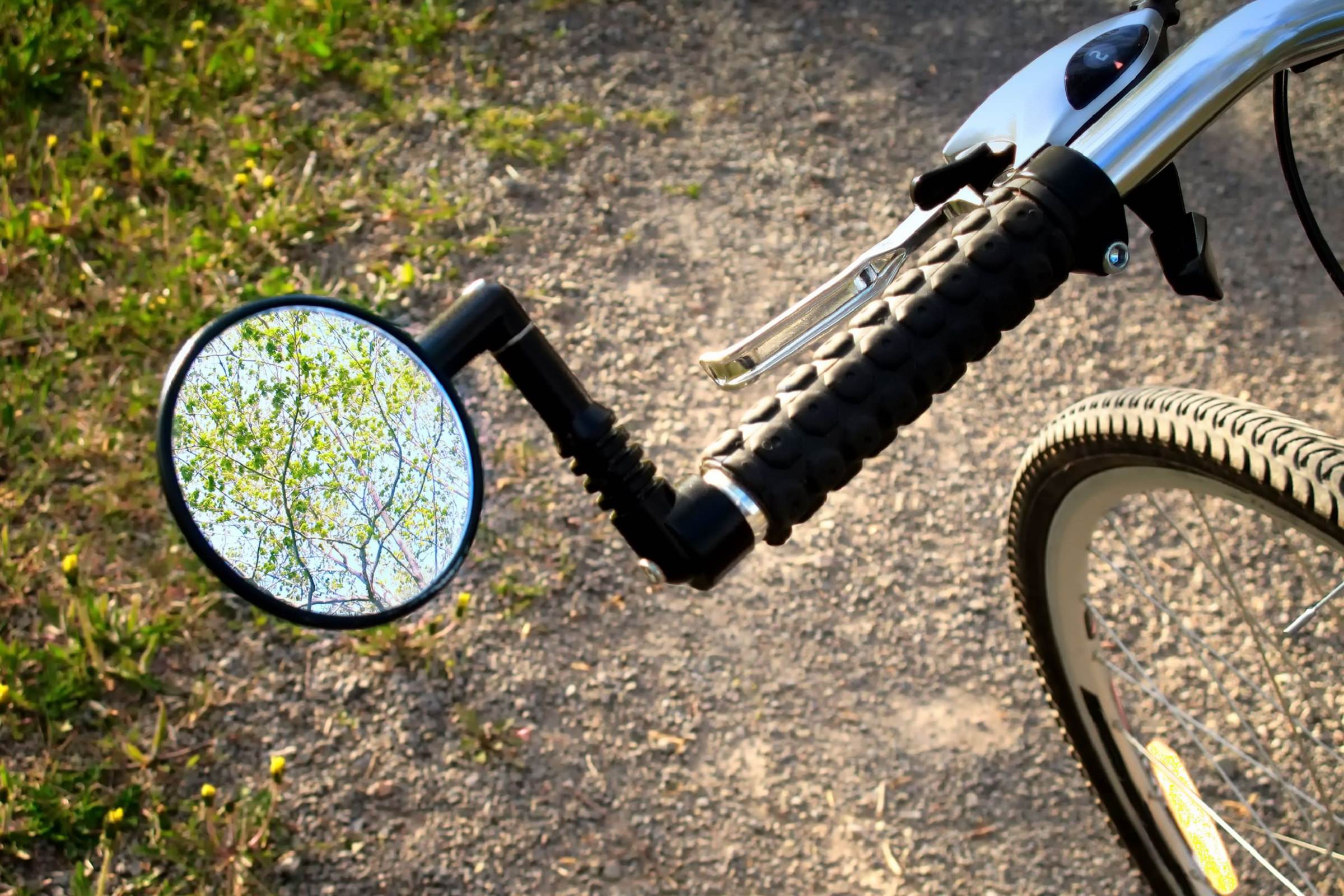
Cycling mirrors are one of those subjects that bring on arguments almost as intense as the “Helmet Wars” found in any cycling discussion on the Internet. They come around once every 6 months or so and usually leave a lot of acrimony hanging in the ether. Roadies think they are too sexy to use mirrors,
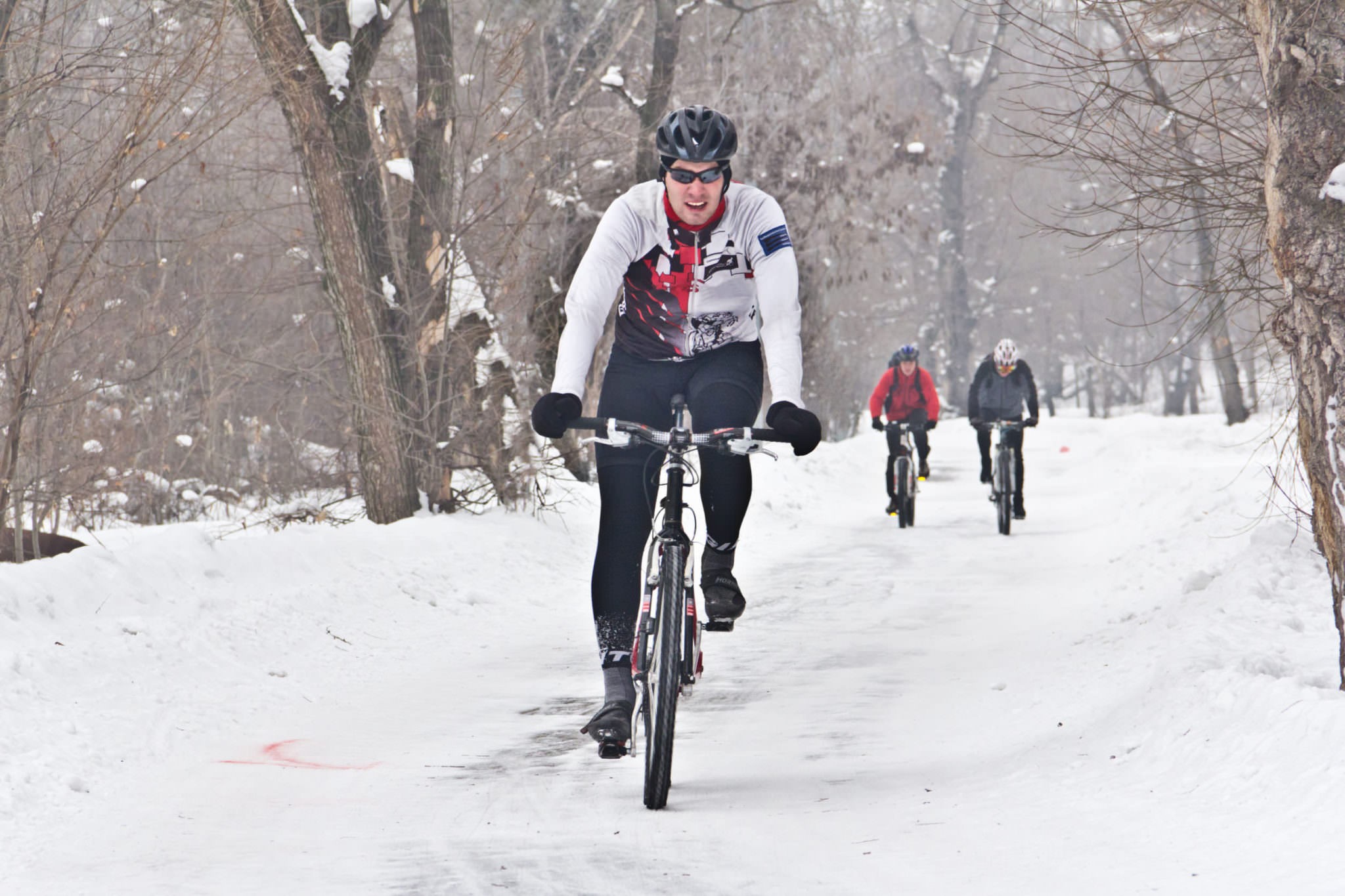
Looking in the various bike catalogs you see that the super warm tights are good down to – get this, 45 Degrees (F). Well, that takes care of October, but what about Winter? The availability of cold-weather tights has been spotty at best. This has caused some icebikers to seek other sources of clothing such
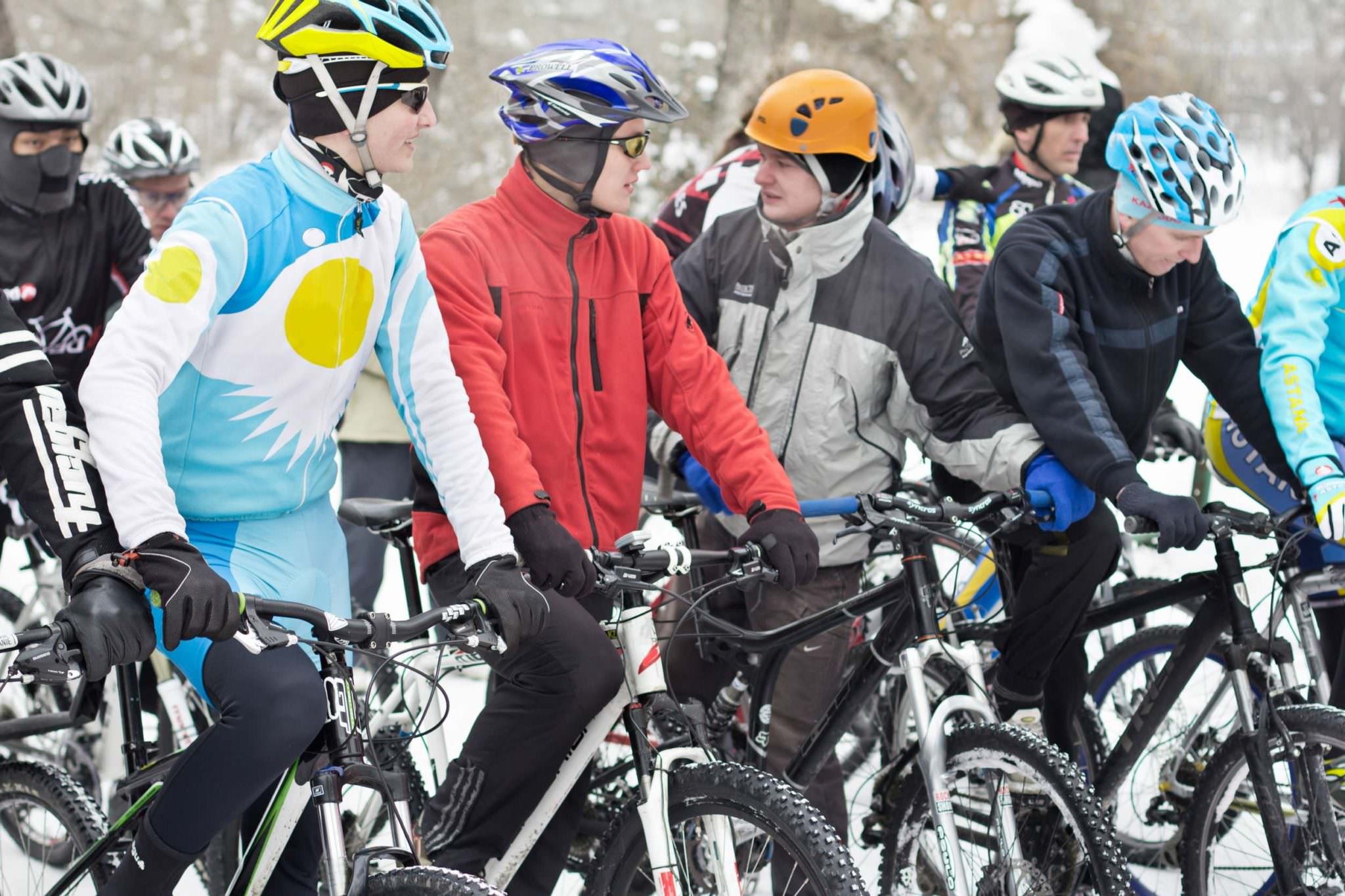
What to wear in the winds of winter? How to keep from freezing? This is what keeps a lot of folks from icebiking, fear of the cold. But as we have stated elsewhere, fear of overheating is more warranted. This is not to say that you can’t get cold out there. However, as long as
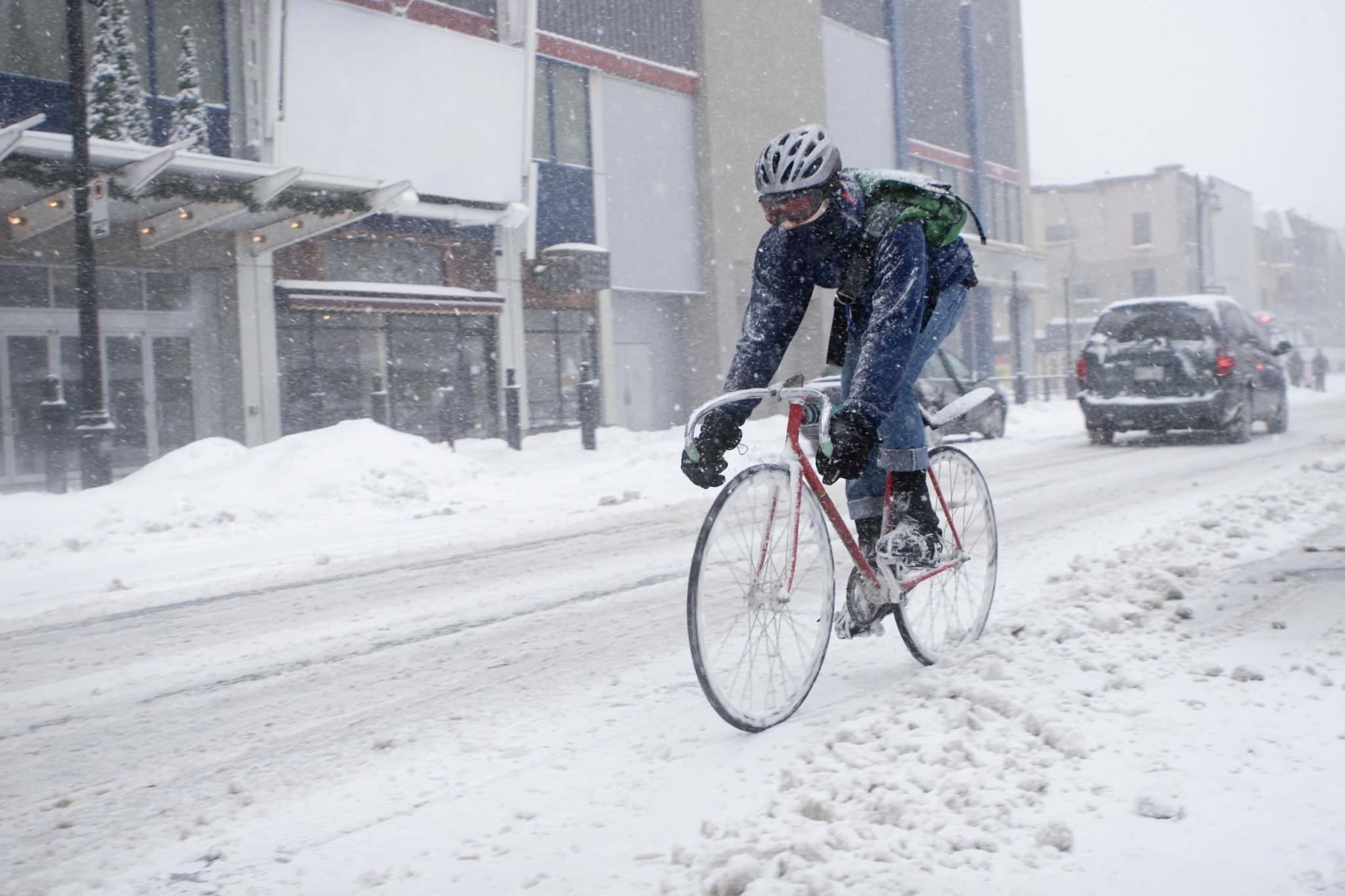
What’s there to know about keeping a head warm? You put on a hat and that’s all. But wait! There’s more to it. You lose a lot of heat through your head. When icebiking, the heat loss through your head can be a blessing if you are working up a sweat. However, most of the
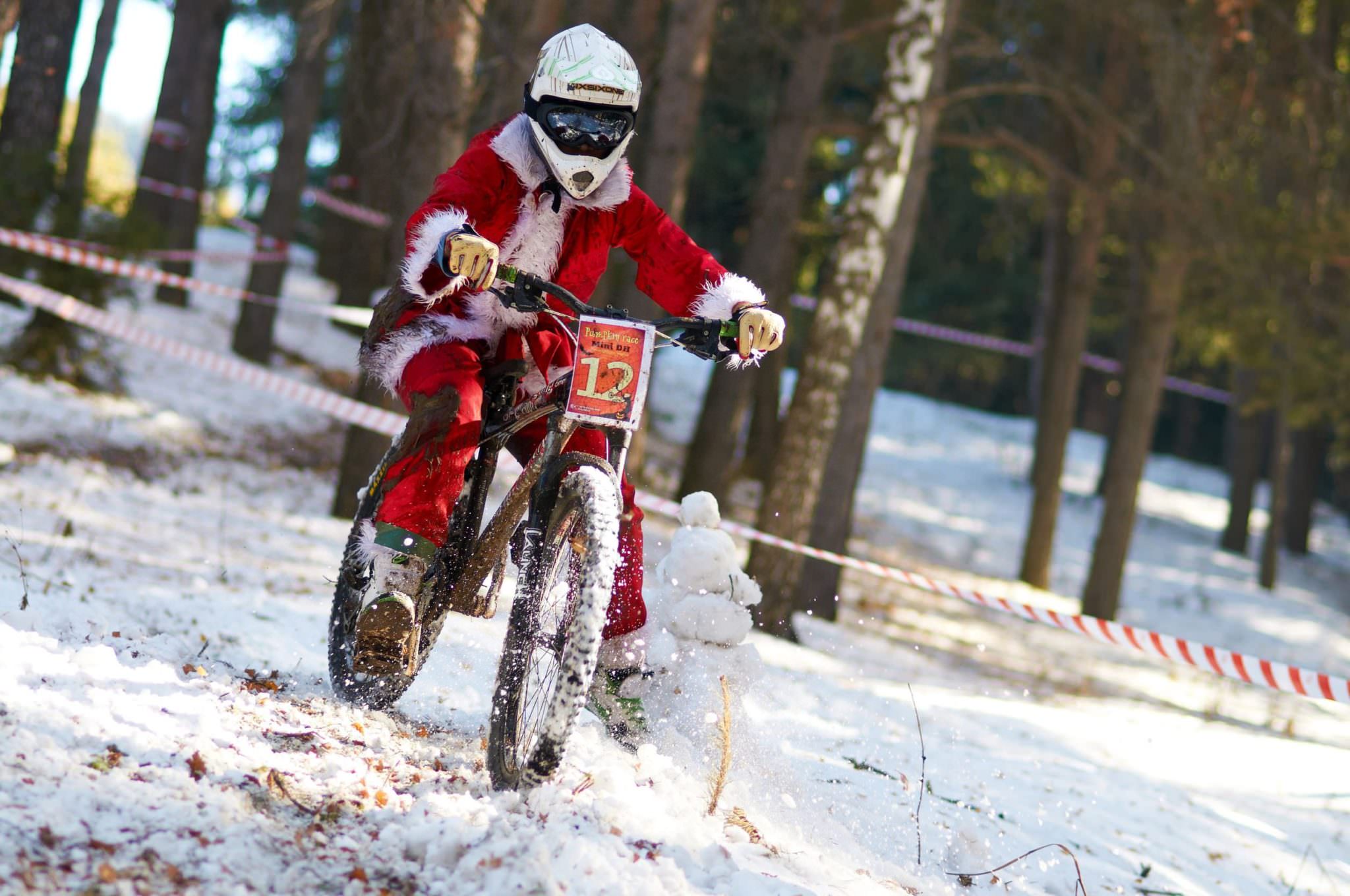
What to wear on your feet is a big question and the source of much discussion among icebikers. There are basically two schools of thought on the subject. Use shoes designed for cycling, making additions or changes to accommodate the cold, such as adding neoprene booties over the shoes or Gore-Tex socks to retain the