

Washington’s new e-bike law is now close enough that riders, parents, shops, and cities should pay attention. SB 6110, a 2026 law addressing electric-assisted bicycles and electric motorcycles, is listed by the Washington State Legislature as session law C 159 L 26 and takes effect on June 11, 2026.
The rider impact is direct: Washington is tightening the line between legal e-bikes and higher-powered electric motorcycles or e-motos that have been showing up on streets, paths, and trails under confusing labels.
What changes under SB 6110
The official bill summary describes SB 6110 as legislation addressing electric-assisted bicycles and electric motorcycles. The enrolled bill keeps Washington’s three e-bike classes, but clarifies that an electric-assisted bicycle must have two or three wheels, a saddle, fully operative pedals, and an electric motor with no more than 750 watts of power.
The bill text also says an electric-assisted bicycle does not include a vehicle capable of exceeding 20 mph on motor power alone, or a vehicle modified or designed to be easily modified beyond the e-bike limits. That is the key practical distinction for riders comparing legal e-bikes with throttle-heavy devices marketed like bicycles.
Why Washington is doing this now
The law states that Washington recognizes the recent spread of electric motorcycle use statewide, especially among teenagers and young adults, and that the state lacks a regulatory framework for those vehicles. Instead of only changing the e-bike definition, SB 6110 also orders the Department of Licensing to convene a work group on electric motorcycles.
That work group must study definitions, registration and license fees, driver education, permit or licensing requirements, minimum age rules, equipment requirements, deceptive e-bike marketing practices, tampering, and consumer disclosures. Its final report is due to the governor and legislative transportation committees by December 15, 2027.
Why riders should care
Clear definitions matter because bike lanes, trails, sidewalks, and roads are not interchangeable. A legal Class 1, Class 2, or Class 3 e-bike is a different vehicle from an electric motorcycle that can be ridden on throttle power at higher speeds. When those categories blur, cities often respond with broad restrictions that can punish ordinary e-bike riders along with the real problem devices.
For riders, the safest reading is simple: keep the pedals functional, stay within the 750-watt and class-speed limits, and be careful with modifications that could push a bike outside the e-bike definition. Icebike readers can also review our broader guide to bicycle laws and safety, our bike commuting guide, and our practical e-mountain bike legality explainer.
What is confirmed
Confirmed from the Washington Legislature: SB 6110 is session law C 159 L 26, the bill addresses electric-assisted bicycles and electric motorcycles, and the law takes effect June 11, 2026. Confirmed from the bill text: e-bikes remain limited to no more than 750 watts, must have operative pedals, and exclude vehicles that exceed 20 mph on motor power alone or are designed to be easily modified out of class.
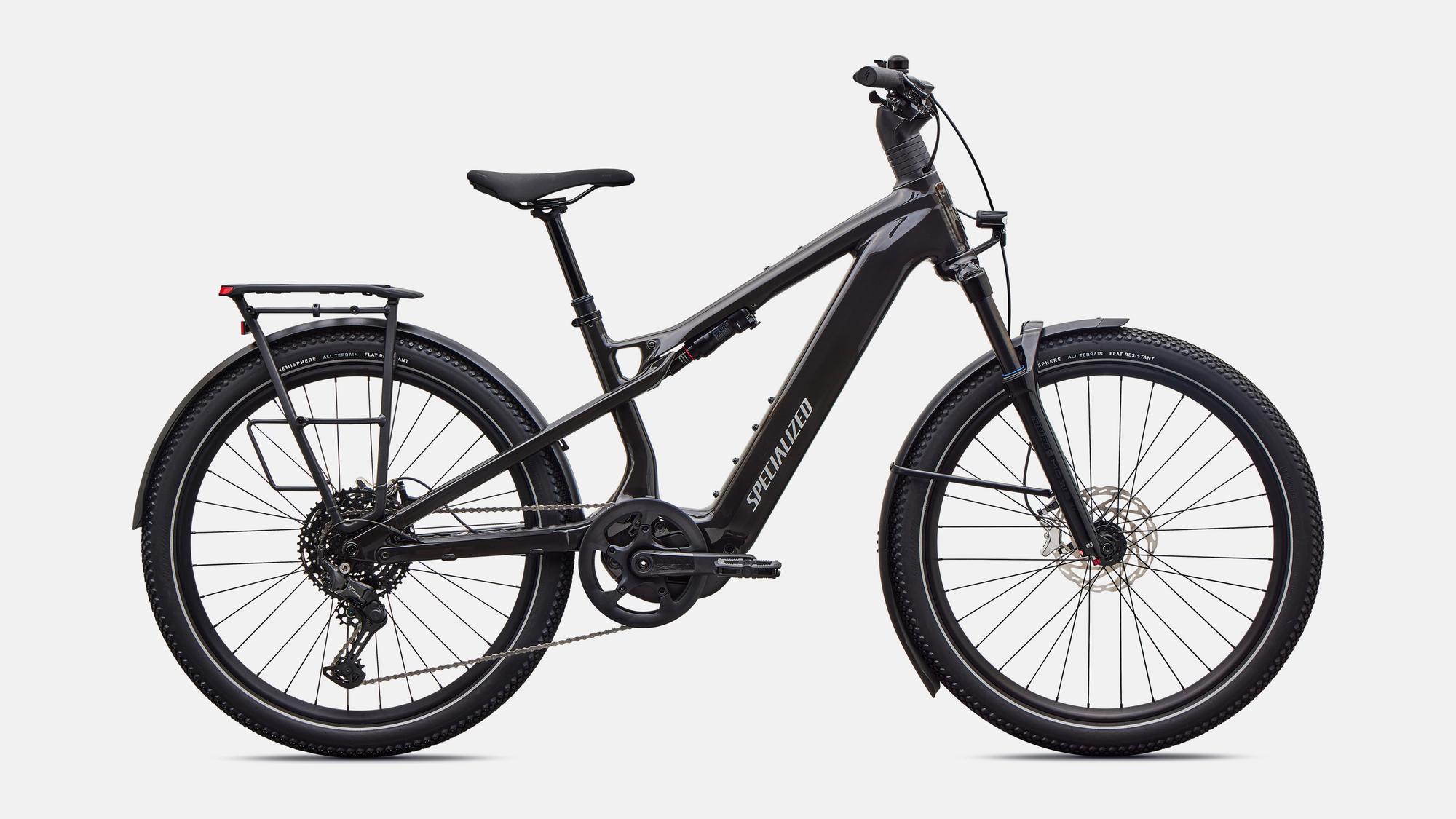
Featured image: Icebike editorial e-bike image.
Should you have any questions or require further clarification on the topic, please feel free to connect with our expert author Jerry O by leaving a comment below. We value your engagement and are here to assist you.