

New York City is treating e-bikes as more than a transportation trend. On May 18, 2026, the New York City Department of Transportation and New York University launched the NYC E-Bike Health Study, a research project designed to measure how electric-bike use and bike infrastructure affect cardiovascular health.
For Icebike readers, the main reason this matters is simple: cities often debate e-bikes around speed, conflict, and enforcement. This study shifts part of the conversation toward measurable health outcomes and asks whether safe cycling infrastructure changes how often people ride and how much physical activity they actually get.
What the study is trying to answer
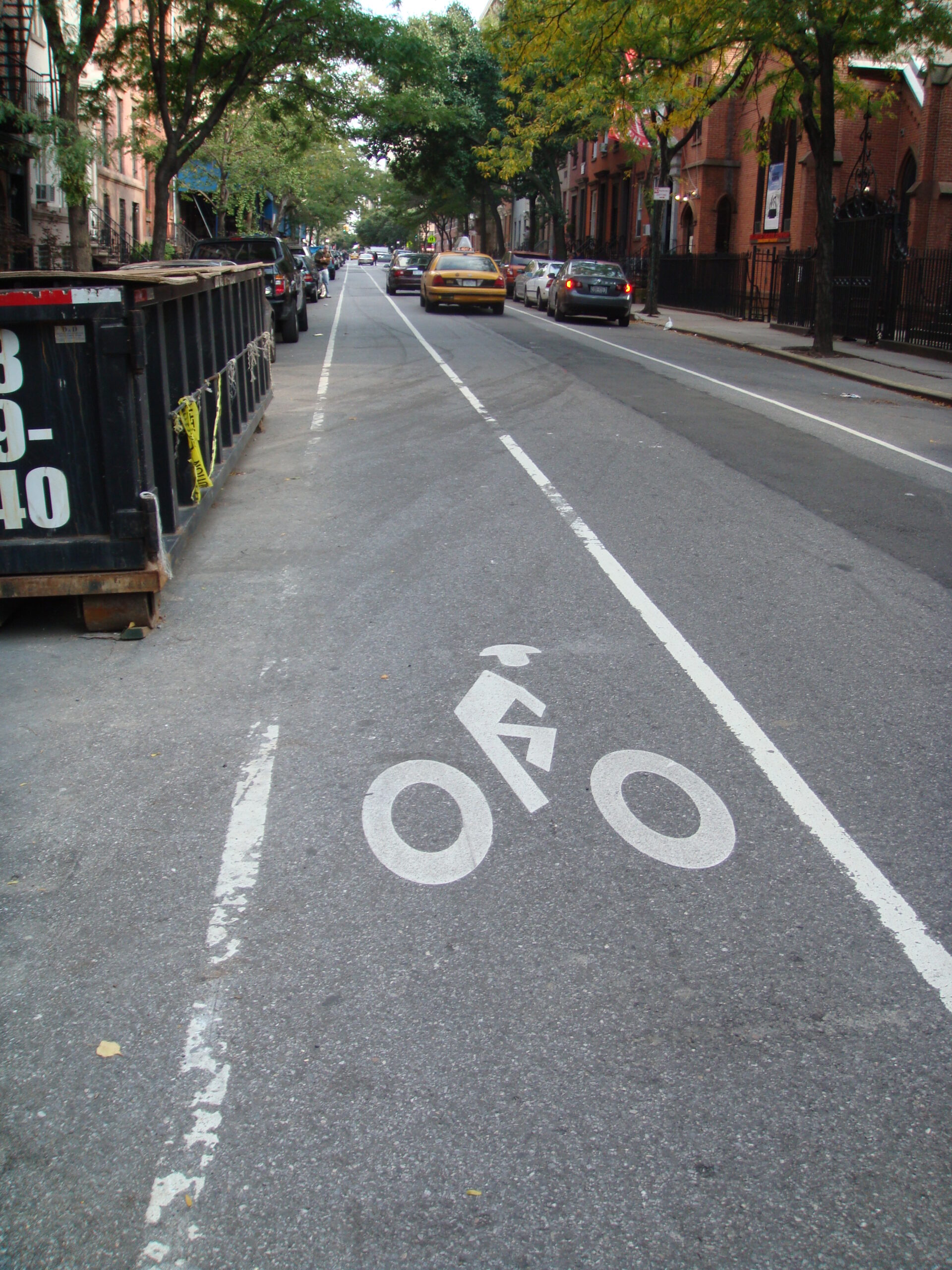
According to NYC DOT’s official announcement, the study will examine how e-bike use compares with standard cycling and other travel modes when it comes to physical activity and cardiovascular health. It also looks at a second question that matters to everyday riders: whether people feel safe enough to ride more when better bike infrastructure is available.
The city says more than 600,000 cycling trips are now taken in New York City each day, up 64 percent from the 380,000 daily trips it recorded in 2013. That growth makes the study more useful than a small pilot. Researchers are looking at a city where e-bikes, delivery riders, commuters, families, and protected lanes are already part of daily transportation.
How the NYC E-Bike Health Study will work
The official study outline includes three parts. First, there is an online survey open through August 2026 for adults in New York City who can ride a bike. Second, a smaller group of participants will be invited to take part in in-person focus groups later this fall. Third, another subset will join a wearable-device study to compare objective activity data with self-reported riding habits.
That structure matters because it does more than ask riders whether they like e-bikes. It aims to connect riding patterns, street comfort, and physical activity with clearer evidence that city planners and public-health officials can use later.
NYC DOT says the work is being led with NYU professor Dr. Rumi Chunara through NYU’s Center for Health Data Science. Draft results are expected next year.
Why riders should care beyond New York
This is still a local New York study, but the question is national. E-bikes are increasingly used by commuters, delivery workers, older riders, and people who might not otherwise choose a conventional bicycle for daily transportation. If a large city can show that e-biking increases trip frequency or expands access to moderate exercise, it gives other cities a stronger case for building safer bike networks instead of treating e-bikes only as a problem to regulate.
That does not mean the study will settle every policy fight. It will not answer every question about sidewalk riding, speed differences, or battery safety. But it could change how city governments frame e-bike investment. Instead of asking only whether e-bikes fit existing rules, more agencies may start asking whether protected lanes and safe street design can improve health at population scale.
For riders, that is a meaningful shift. Infrastructure decisions often move faster when officials can connect them to safety, emissions, and public-health benefits at the same time.
What is confirmed and what is still unknown
What is confirmed from the official release is that the study launched on May 18, 2026, the survey is open through August 2026, and later phases will include focus groups and wearable-device tracking. It is also confirmed that NYC DOT wants the research to help measure how e-bike use and cycling infrastructure shape health outcomes.
What is not known yet is what the final data will show. The city does not yet have results proving that a specific type of rider, neighborhood, or lane design produces the biggest health gains. Those findings will come later if participation is broad enough and the data supports clear conclusions.
Why it matters for riders
E-bike debates often turn into a fight about restrictions before anyone measures the upside. This study is one of the clearest attempts yet by a big U.S. city to document what e-bikes may be doing for real-world health and travel behavior. Icebike readers who follow electric-bike benefits, practical bike commuting, and ongoing questions about where electric bikes belong should keep an eye on the results.
If the study shows that better bike infrastructure leads to more riding and better health outcomes, it could give e-bike advocates and city planners a stronger evidence base the next time lane projects or safety funding come up for debate.
Should you have any questions or require further clarification on the topic, please feel free to connect with our expert author Jerry O by leaving a comment below. We value your engagement and are here to assist you.