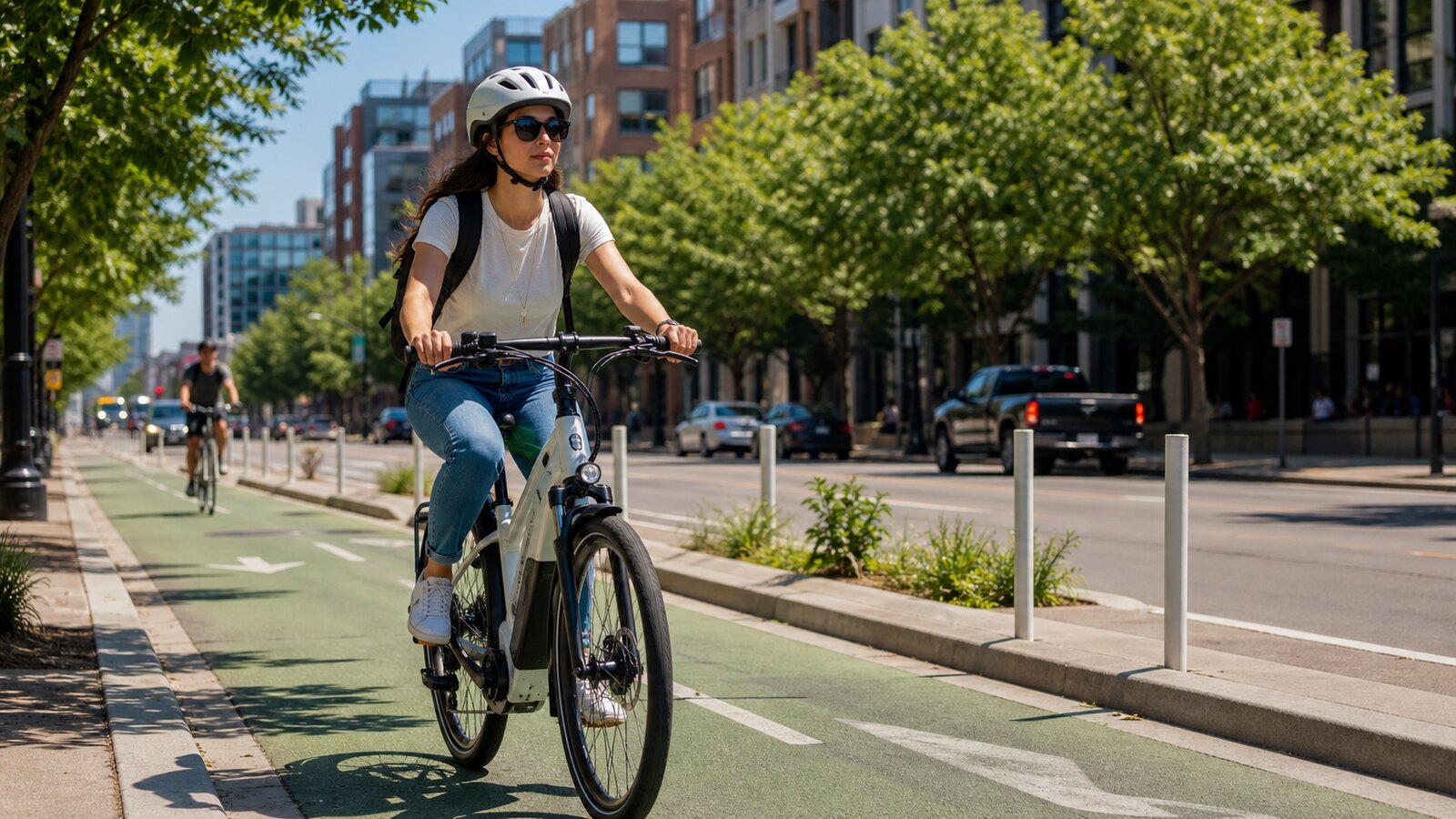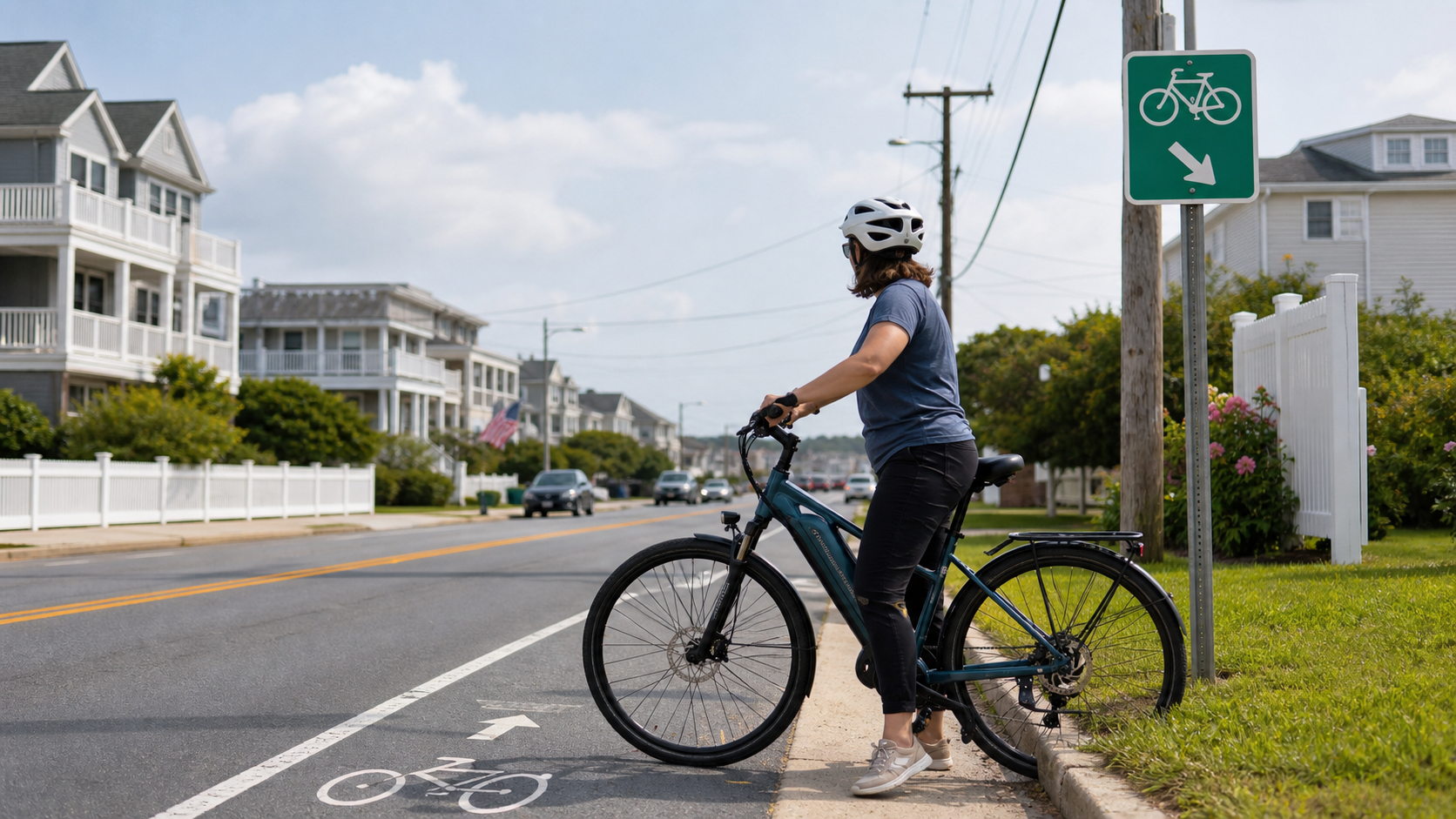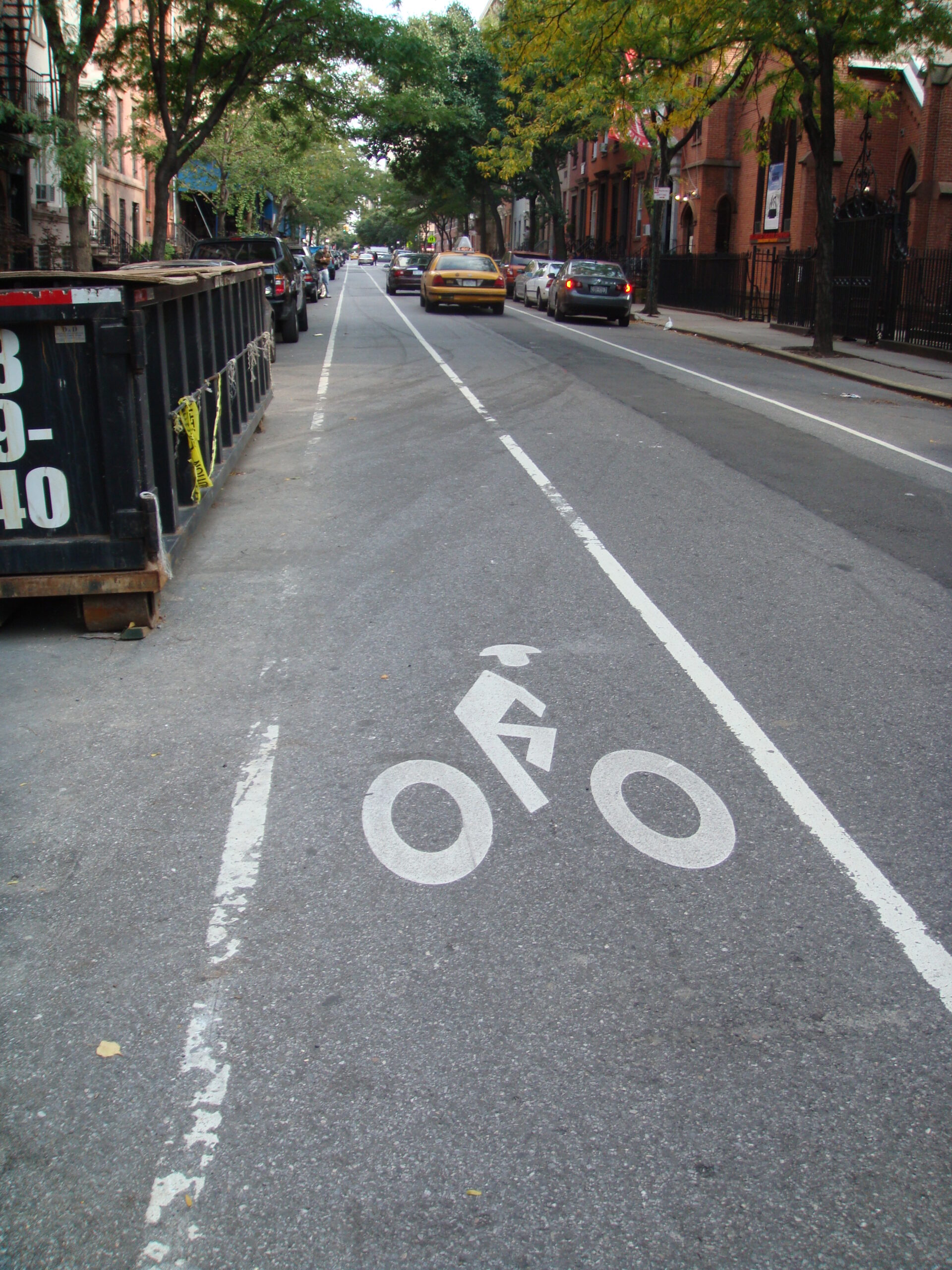


Massachusetts Governor Maura Healey filed the Ride Safe Act on May 4, 2026, proposing a speed-based framework for e-bikes, scooters, mopeds, and other micromobility devices. The bill, S.3077, matters to riders because it would clarify which devices can use bike lanes and shared paths, add safety equipment requirements, and put higher-speed devices under tighter rules.
The bill has been referred to the Joint Committee on Transportation. The Massachusetts Legislature bill record lists a hearing for May 28, 2026, from 1:00 p.m. to 5:00 p.m.
What the Ride Safe Act would change
Instead of treating every electric bike, scooter, or small motorized device as the same thing, S.3077 would sort micromobility devices by maximum designed speed.
The Senate bill text creates four speed tiers:
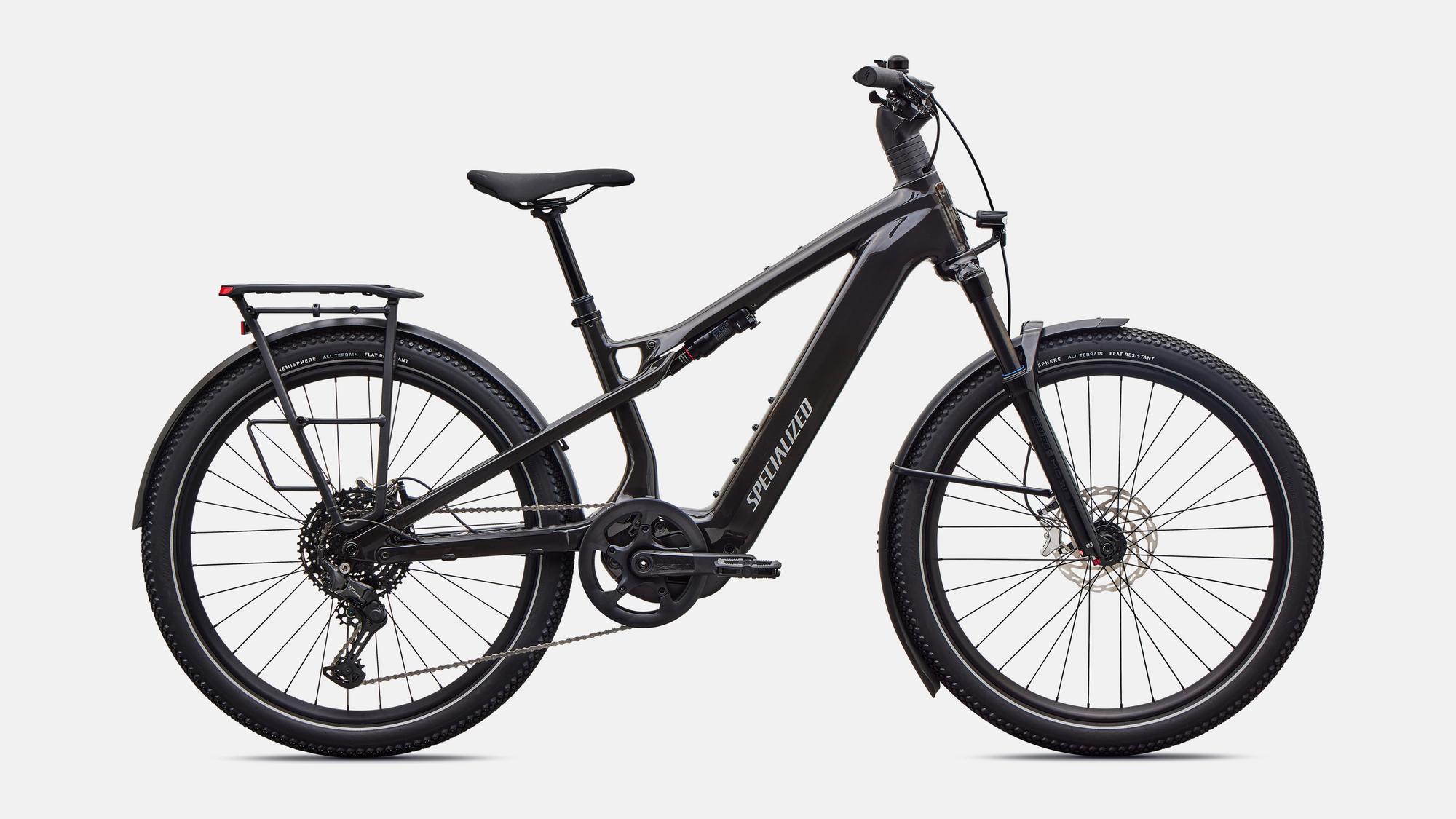
- Speed Tier 0: unpowered devices and powered devices up to 20 mph, including Class 1 and Class 2 e-bikes
- Speed Tier 1: powered micromobility devices from 21 mph to 30 mph, including Class 3 e-bikes
- Speed Tier 2: powered devices from 31 mph to 40 mph
- Speed Tier 3: powered devices over 40 mph
The bill would also add a Massachusetts definition for Class 3 e-bikes: pedal-assist electric bicycles or tricycles where motor assistance stops at 28 mph.
For regular riders, the biggest practical issue is access. Under the current bill text, Tier 0 devices would generally be treated like bicycles, while Tier 1 devices would generally be treated like e-bikes. Tier 2 and Tier 3 devices would be barred from sidewalks, bike lanes, bike paths, bike routes, separated micromobility lanes, and shared-use paths.
That distinction is important because many conflicts around “e-bikes” are really about faster electric motorcycles, modified devices, or throttle-powered machines being used in places designed for bicycles and pedestrians.
Helmets, age rules, batteries, and equipment
The proposal also includes rider and equipment requirements. Children 16 or younger riding or being carried on Tier 0 devices would need helmets. Riders and passengers on Tier 1, Tier 2, and Tier 3 devices would need protective headgear under standards set by the registrar.
The bill would prohibit people younger than 16 from purchasing, renting, leasing, or operating Tier 1, Tier 2, or Tier 3 micromobility devices.
Battery and electrical safety are part of the proposal too. The bill text calls for powered micromobility devices to meet a minimum battery rating of UL 2271 or an equivalent standard. Electric bicycles would need a minimum electrical system rating of UL 2849 or equivalent.
Those details matter beyond paperwork. Battery fires, unclear device labeling, and modified high-speed machines have become a policy problem for cities trying to keep sidewalks, paths, and bike lanes safe without discouraging low-impact transportation.
Why cyclists are watching this bill
The bill is not just about enforcement. It is also about where bike-like transportation fits as more people choose smaller, cheaper, lower-emission ways to move around.
MassBike, the Massachusetts Bicycle Coalition, wrote on May 21 that it supports the bill’s goal of clearer rules, but wants lawmakers to keep working on parts that could push vulnerable riders off safer infrastructure. The group highlighted the tension at the center of the bill: riders need clear device categories, but overly broad path bans could also force some users into more dangerous traffic situations.
That is the heart of the story for cyclists. Good rules could separate normal bikes and legal e-bikes from faster machines that do not belong on narrow shared paths. Badly tuned rules could also make it harder for riders to use the safest route available.
What happens next
S.3077 is still a bill, not a final law. The next key date is the Joint Committee on Transportation hearing on May 28, 2026.
If lawmakers advance it, the bill would create a working group to recommend additional rules around registration, identification decals, licensing, education, speed restrictions, insurance, crash reporting, and other operating standards. The bill text says that group would report by December 31, 2027, and several sections would take effect on January 1, 2028.
For now, Massachusetts riders should treat the Ride Safe Act as a live policy proposal. The confirmed facts are that the bill has been filed, assigned number S.3077, referred to the Joint Committee on Transportation, and scheduled for a May 28 hearing. The open question is how much the final version will change after public testimony and committee work.
Why it matters for riders
E-bike rules are becoming a national issue, and Massachusetts is a useful case study because it is trying to draw a line between bicycles, low-speed e-bikes, mopeds, scooters, and faster electric devices. If the state gets that line right, riders may get clearer rules and safer paths. If it gets the line wrong, legal cyclists and e-bike riders could lose access to infrastructure they rely on.
For Icebike readers, the takeaway is simple: pay attention to the speed tier, not just the label on the box. A bike-like device that can travel 35 mph is not likely to be treated like a normal bicycle under this proposal. For more context, see Icebike’s guides to how bicycle laws affect safety, whether electric mountain bikes should be legal on trails, and practical bike commuting.
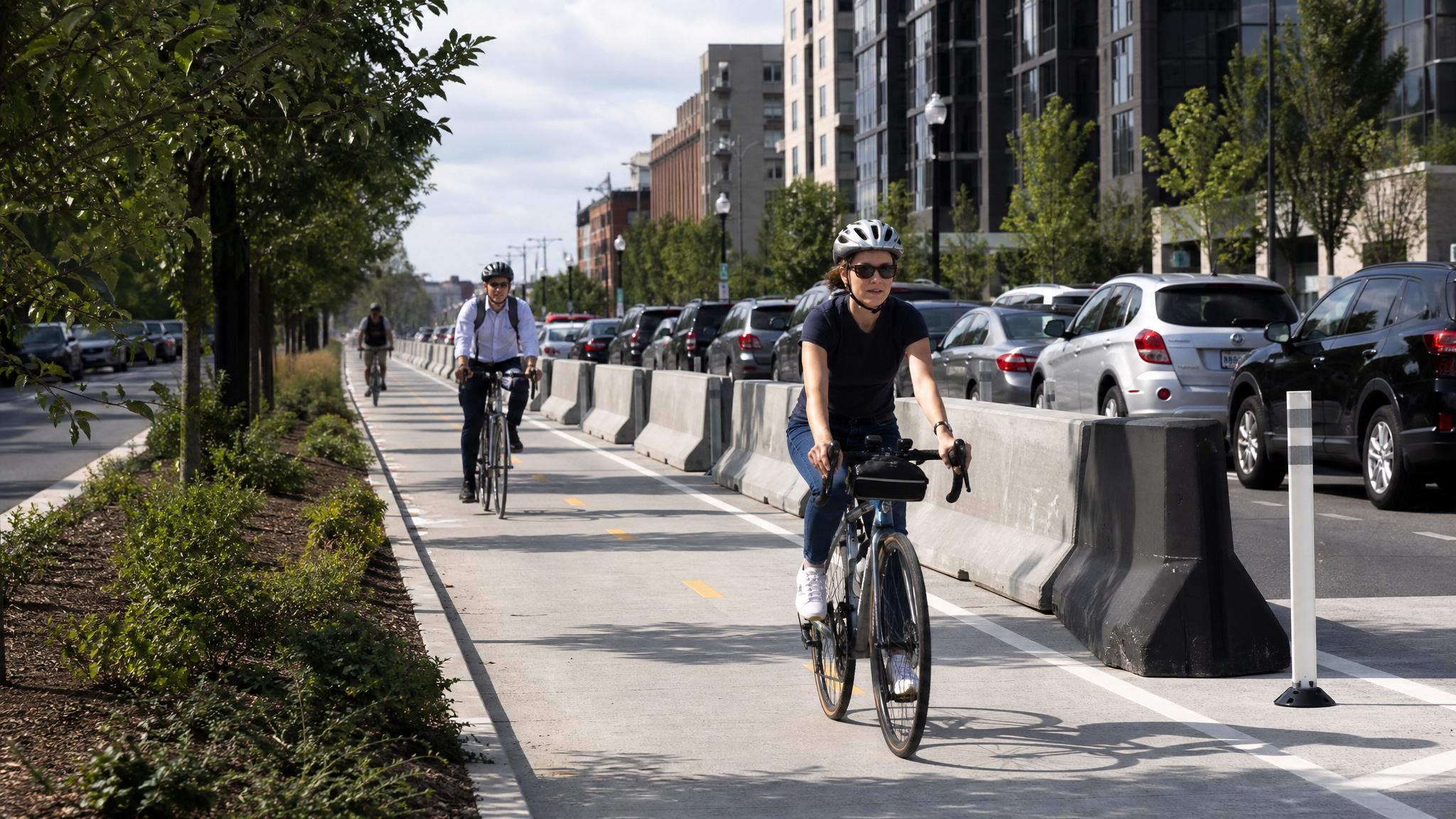
Featured image: Sidewalk-level bike lane along Atlantic Avenue and Commercial Street in Boston by Toni.lg, via Wikimedia Commons, CC0.
Should you have any questions or require further clarification on the topic, please feel free to connect with our expert author Jerry O by leaving a comment below. We value your engagement and are here to assist you.