

A new federal transportation bill has opened a national fight over bike lanes, trails and active transportation funding. On May 17, 2026, leaders of the U.S. House Transportation and Infrastructure Committee announced the BUILD America 250 Act, a five-year surface transportation reauthorization bill covering roads, bridges, transit, rail and safety programs.
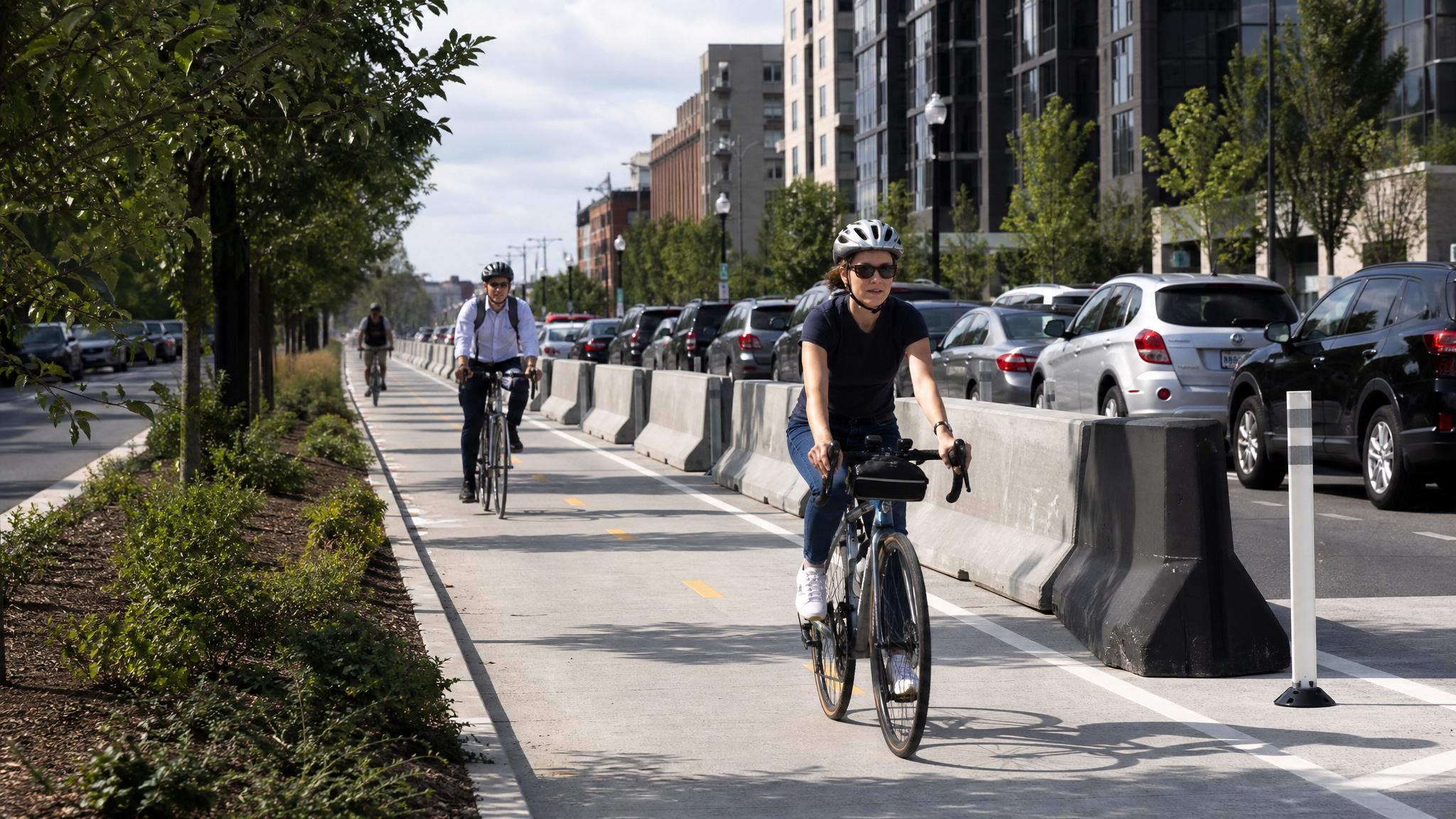
The committee says the bill invests in transportation infrastructure across the country. But bike and trail advocates say the details could make it harder to build connected walking and biking networks, especially where communities need protected lanes, trail links and safe routes that close gaps.
What the bill does
The House Transportation and Infrastructure Committee described the bill as a bipartisan surface transportation package intended to move people, goods and freight safely and efficiently. Ranking Member Rick Larsen also pointed to investments in transit and bike infrastructure as part of the bill’s broader transportation scope.
That makes the debate more complicated than a simple yes-or-no bike funding story. The bill keeps some legacy programs, but advocates are focused on whether it does enough to build complete active transportation networks rather than leaving communities with disconnected pieces.
Why trail advocates are concerned
Rails to Trails Conservancy said on May 18 that the bill protects some older active transportation programs while failing to prioritize the connected infrastructure needed to make walking and biking practical transportation. RTC also criticized the proposed repeal of the Active Transportation Infrastructure Investment Program, which it described as the only dedicated federal funding source for closing active transportation network gaps.
The group said the first ATIIP grant round was oversubscribed by 40 to 1, a sign that demand for connected bike and walking routes is much larger than available funding.
Why it matters for riders
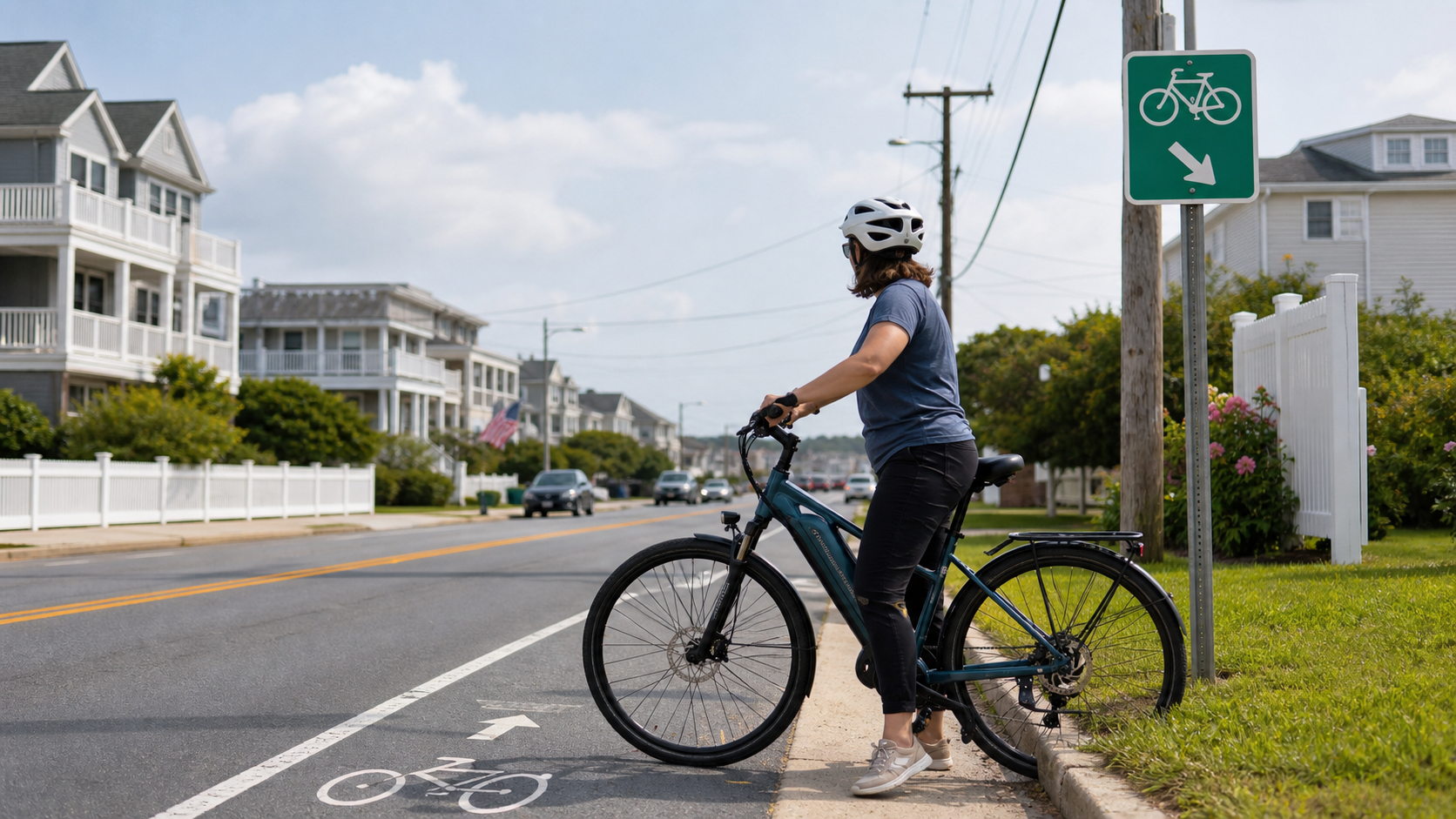
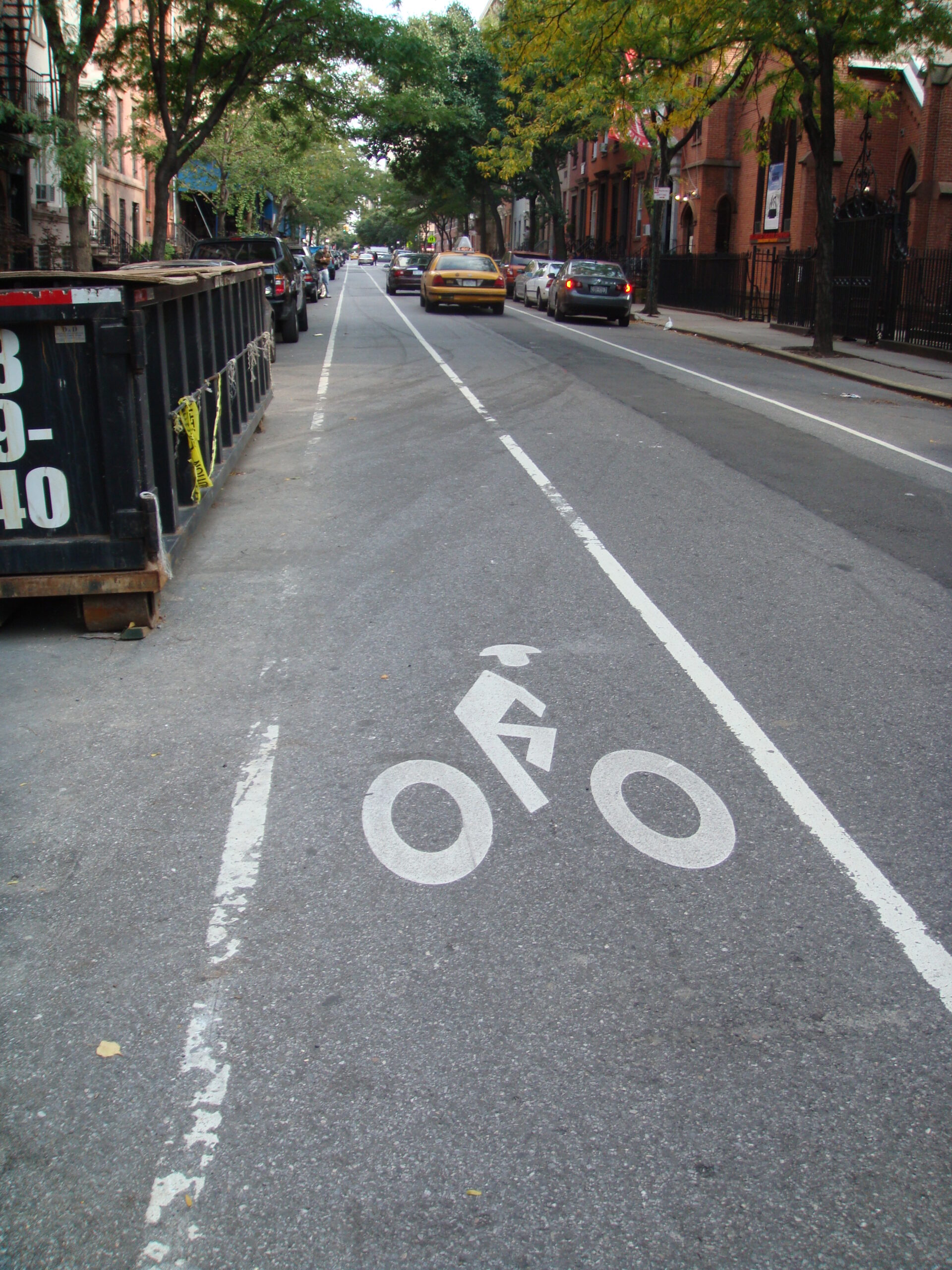
For cyclists, funding language can feel distant until a dangerous gap remains unfixed for another decade. Protected bike lanes, trail crossings and commuter routes often depend on federal programs, especially when projects cross city, county or state lines.
If the final bill makes it easier to shift money away from active transportation, bike projects could lose ground even if headline transportation spending rises. If lawmakers restore or strengthen dedicated network funding, riders could see more connected routes rather than isolated segments. Icebike readers can pair this story with our guide to bicycle laws and safety and our practical bike commuting guide.
Featured image: Old Colony Rail Trail by Kenneth C. Zirkel, via Wikimedia Commons, CC BY-SA 4.0.
Should you have any questions or require further clarification on the topic, please feel free to connect with our expert author Jerry O by leaving a comment below. We value your engagement and are here to assist you.