

Utah’s new e-bike safety law is now in effect, giving parents, young riders and police clearer rules for electric bicycles, e-scooters and high-powered electric devices. The Utah Highway Safety Office says HB 381 took effect on May 6, 2026, with immediate rules on helmets, youth supervision, Class 3 e-bikes, illegal modifications and police impound authority.
The rider impact is direct: Utah is treating e-bikes and e-scooters as vehicles, not toys. That framing is likely to show up in more states as faster electric devices become common around schools, neighborhoods, paths and city streets.
What is required now
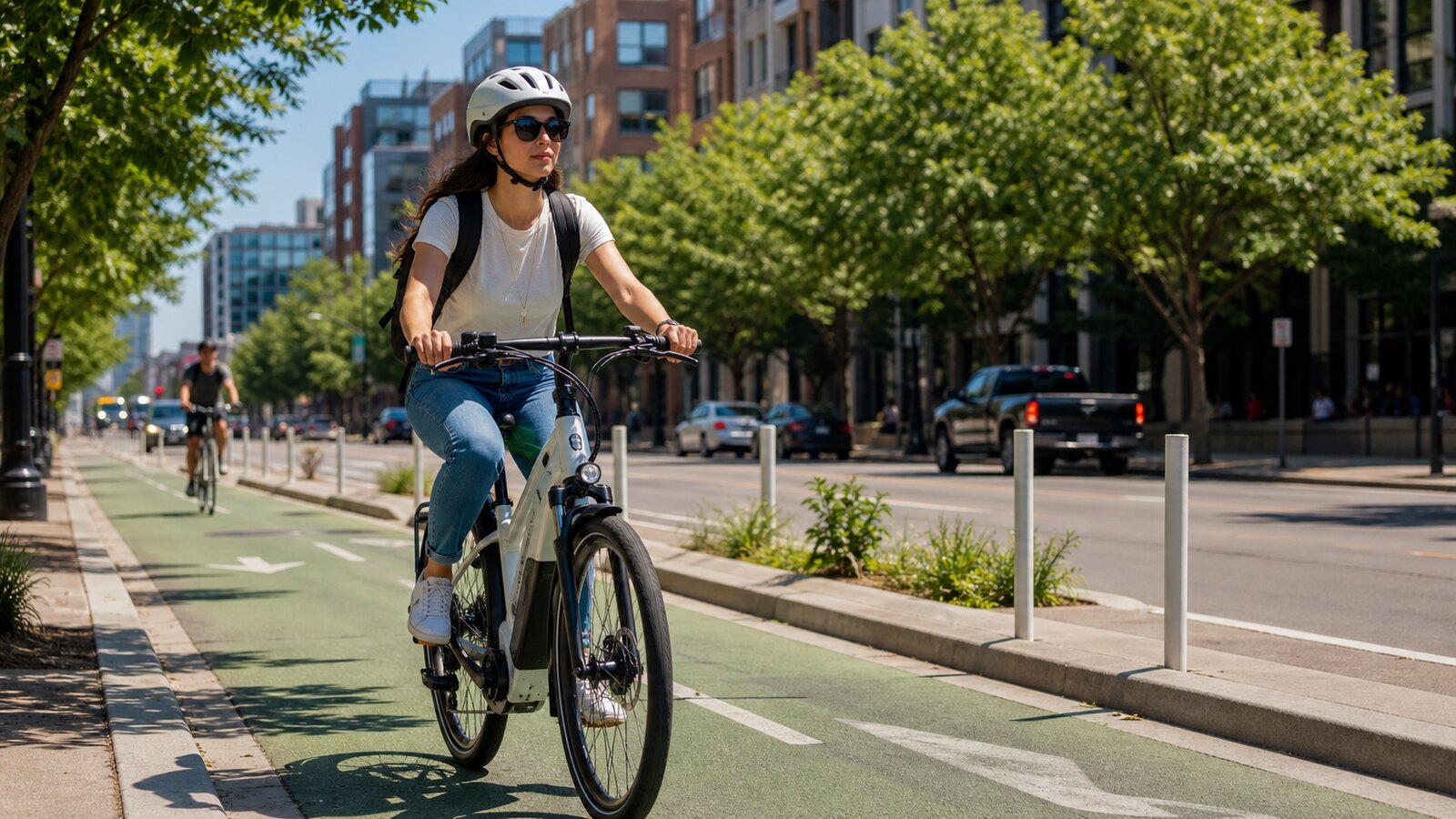
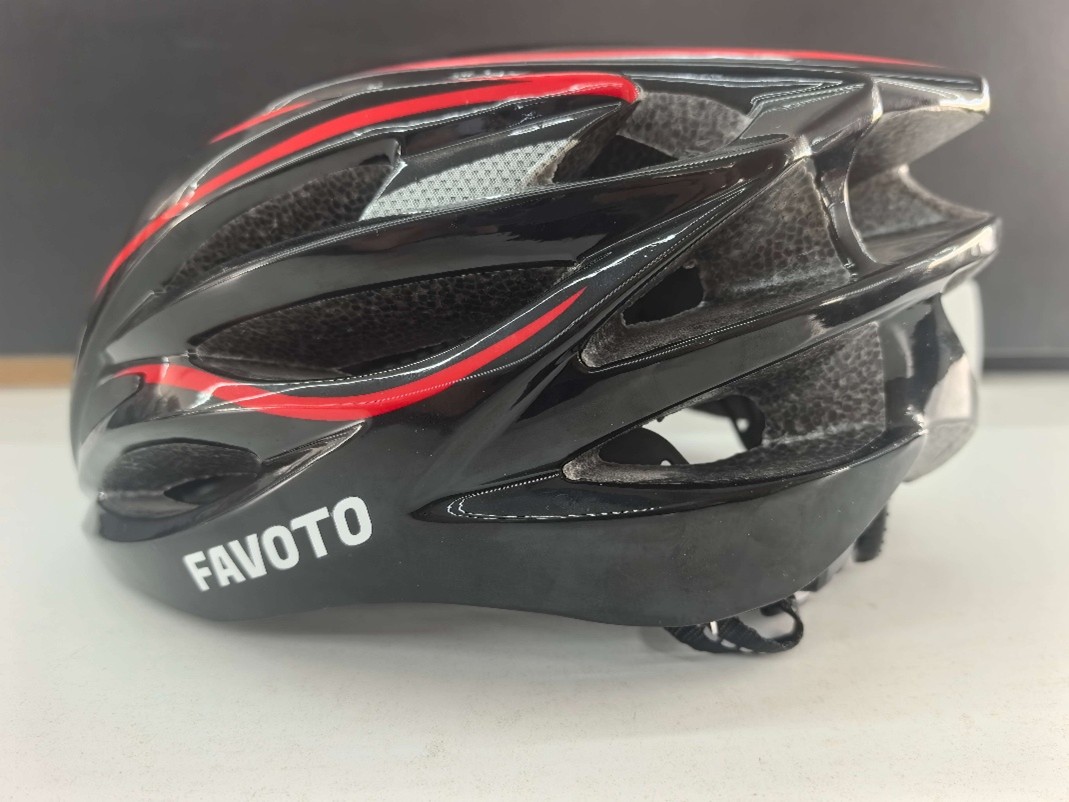
According to the Utah Highway Safety Office, riders under 21 must wear helmets when operating an electric device on public roads. Children ages 8 to 14 must be accompanied by an adult when riding an e-bike, and children under 16 may not ride a Class 3 e-bike.
The state also says officers can impound and temporarily hold devices when a minor violates safety laws, with release to a parent or guardian. Riders are also subject to DUI and open-container laws when using electric-powered devices.
Modified devices are a major target
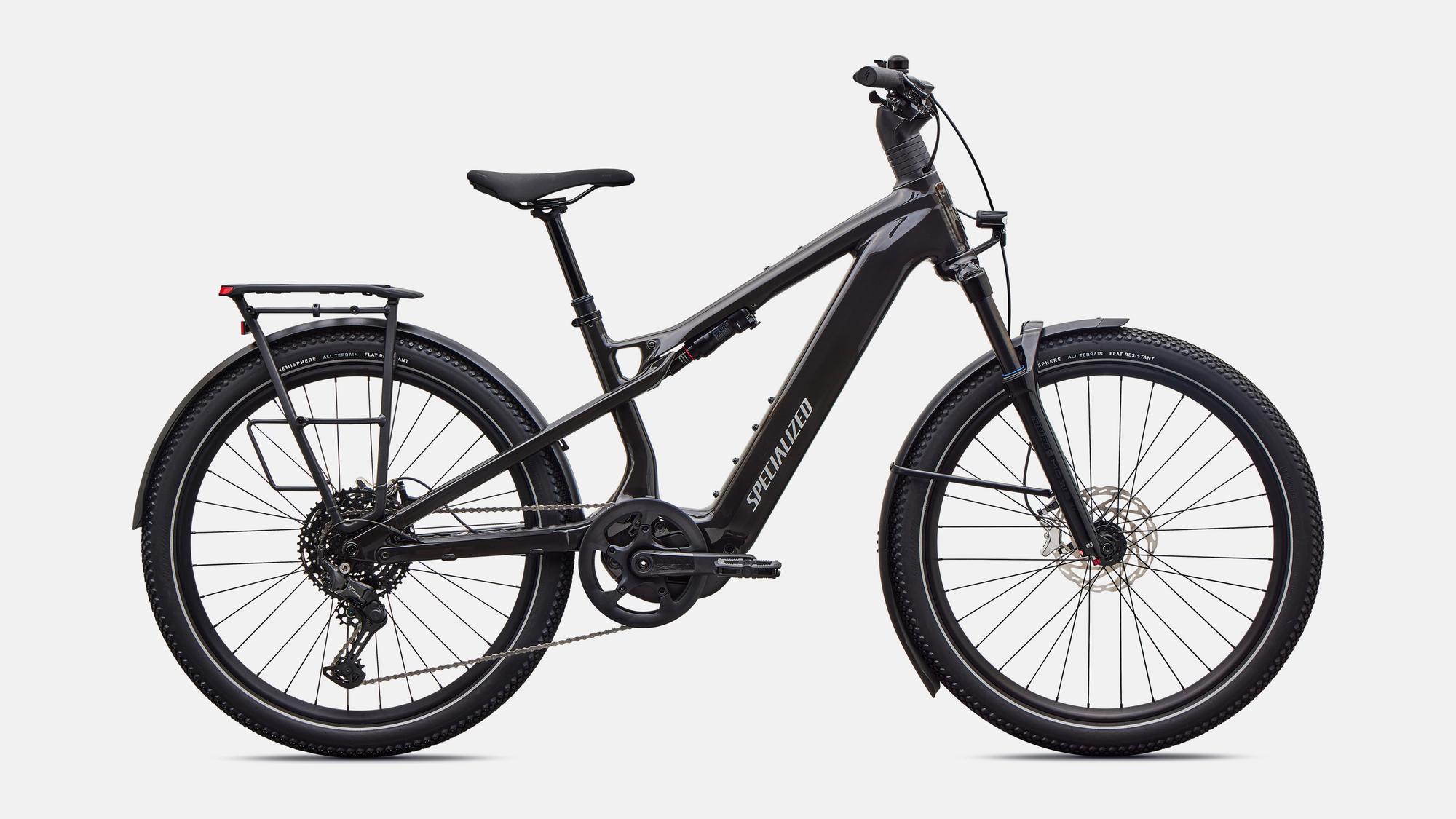
Utah’s guidance warns that not every electric device sold as a bike should be treated like one. Class 1 e-bikes assist up to 20 mph while pedaling, Class 2 e-bikes use a throttle up to 20 mph, and Class 3 e-bikes assist up to 28 mph while pedaling.
The state draws a sharper line around devices that exceed 750 watts or travel over 20 mph without pedaling. Those may be treated as e-motorcycles, requiring a driver license and motorcycle endorsement on public roads. Aftermarket modifications that bypass speed governors or increase power are also called out as illegal and dangerous.
Why it matters for riders
This is not just a Utah story. It is part of a bigger national shift: states are trying to separate legal e-bikes from modified high-speed machines that behave more like motorcycles. That distinction affects helmets, bike path access, youth riding, insurance questions and enforcement.
For families, the safest next step is simple: check the e-bike class, match the helmet to the device speed, and avoid modified devices for kids. For more context, Icebike readers can review our guide to how bicycle laws affect safety and our explainer on electric mountain bike access debates.
Featured image: A man riding an electric bicycle by Freshman404, via Wikimedia Commons, CC BY-SA 4.0.
Should you have any questions or require further clarification on the topic, please feel free to connect with our expert author Jerry O by leaving a comment below. We value your engagement and are here to assist you.