

The U.S. Department of Transportation’s FY 2026 Safe Streets and Roads for All funding opportunity closes Tuesday, May 26, at 5 p.m. Eastern. Grants.gov lists the opportunity as DOT-SS4A-FY26-01, with nearly $993.5 million in estimated funding for planning, demonstration work, and implementation projects intended to prevent deaths and serious injuries on roads and streets.
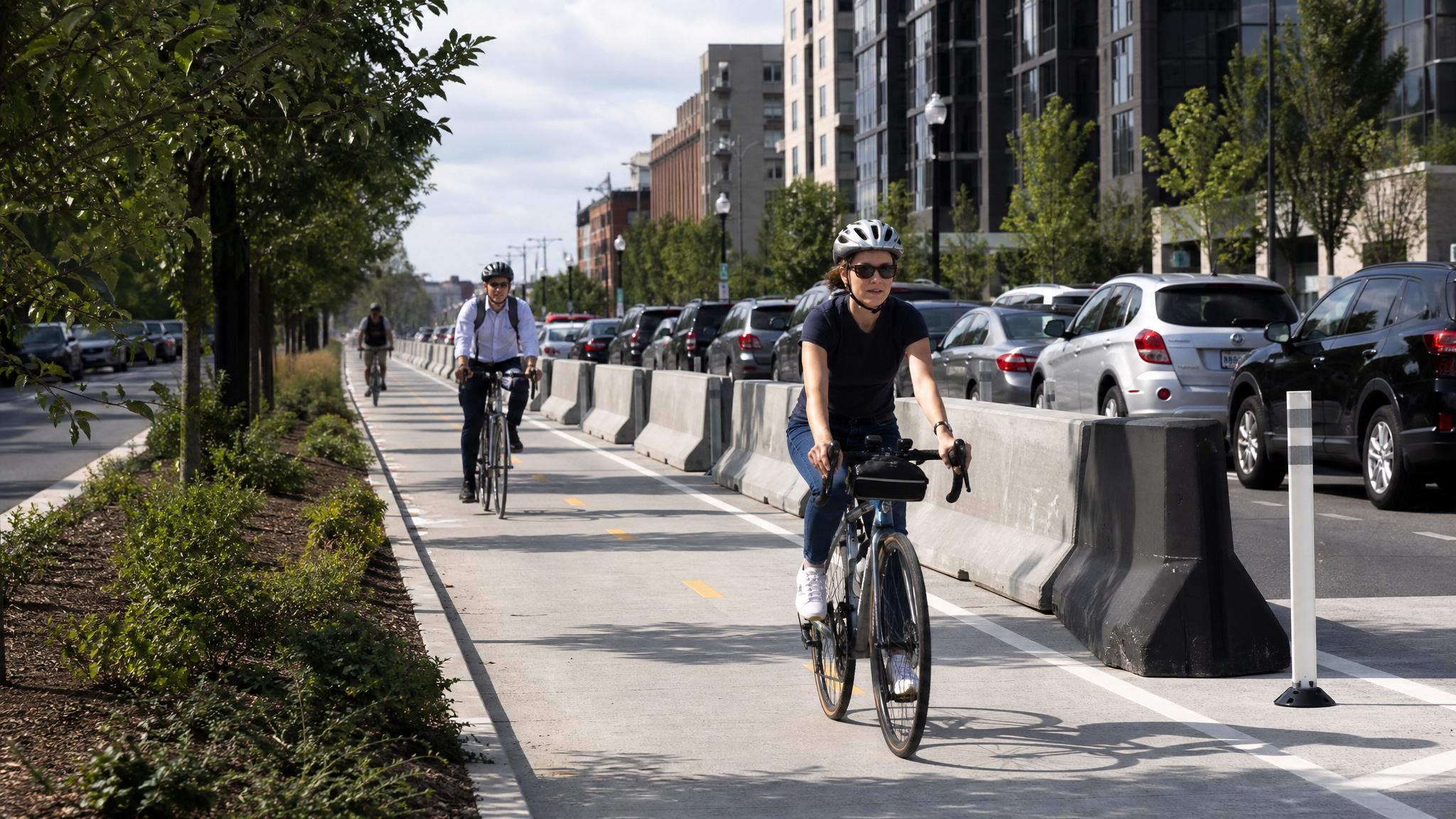
That matters to riders because SS4A is one of the federal programs cities, counties, tribal governments, and regional agencies can use for the kind of safety work cyclists actually notice: safer crossings, protected bike lanes, traffic calming, corridor redesigns, and action plans that turn crash data into buildable projects.
What is due this week
The Grants.gov opportunity record says applications must be submitted through Valid Eval, not through Grants.gov, and that late applications will not be considered unless a technical issue is caused by the online submission system and the applicant contacts Valid Eval by 1 p.m. Eastern on May 26.
That is a narrow window. For transportation departments and local advocates, the practical point is that the application should already be through internal approvals, budget checks, and partner letters. A project that is still waiting for a basic scope, council signoff, or crash-data map is probably not a realistic May 26 submission.
The Missouri Department of Transportation’s SS4A notice also confirms the same 5 p.m. Eastern deadline and describes the FY 2026 notice as open for applications. The state notice is not the grant authority, but it is useful public confirmation from a transportation agency pointing local applicants back to the federal program.
Why bike projects should pay attention
SS4A is not a bike-only program, and riders should be wary of any claim that all of the money will go to cycling infrastructure. The program is broader: it is aimed at preventing roadway deaths and serious injuries for all users. But bike safety often fits naturally inside that goal when a corridor has high crash risk, missing separation, dangerous crossings, or weak connections to schools, transit, jobs, and trails.
For riders, the difference between a vague safety promise and an SS4A-ready project is usually specificity. “Make this road safer” is not enough. A stronger pitch points to a crash pattern, a defined segment, a vulnerable-user problem, and a realistic countermeasure, such as protected space, slower turning speeds, better crossing geometry, lighting, or a demonstration project that can be tested before permanent construction.
That is why local riders and advocacy groups should look at their city’s public project lists after this deadline passes. If a city applies, the next useful question is what exactly was submitted: an action plan, supplemental planning and demonstration work, or an implementation grant for construction-ready safety changes.
What riders can do next
If your local government has an SS4A application in motion, ask for the project location, the safety problem it addresses, and how cyclists and pedestrians are represented in the scope. If the city misses the deadline, ask whether the same project can be prepared for a future federal, state, or regional funding round instead of being dropped.
Riders can also help by keeping the feedback practical. Crash stories matter, but agencies need details they can build from: where a driver turns across the bike lane, where the shoulder disappears, where a child has to cross a high-speed road, or where a trail connection fails one block before a destination. That kind of local evidence can strengthen the next application.
What is confirmed
Confirmed from Grants.gov: the FY 2026 SS4A opportunity is posted as DOT-SS4A-FY26-01, the Department of Transportation is the top agency, the close date is May 26, 2026, estimated funding is $993,488,194, the award ceiling is $25 million, and the award floor is $100,000. The opportunity description says the program supports planning and demonstration activities, plus projects and strategies to prevent roadway deaths and serious injuries.
Confirmed from the public FY 2026 opportunity text: applications are due by 5 p.m. Eastern on Tuesday, May 26, 2026, and applicants are instructed not to submit applications through Grants.gov.
The grant record does not confirm which bike-safety projects will win funding. This story does not claim any city, county, or state has received an FY 2026 award.
The bottom line
The May 26 deadline is a filing deadline, not a construction announcement. Still, it is worth watching because SS4A applications can become the first public clue that a city is serious about a protected bike lane, safer crossing, trail connection, or corridor redesign. Riders should look for concrete projects after the deadline, then keep asking whether the safety work is specific enough to survive funding review.
For related Icebike coverage, see the recent story on federal bike and trail funding, the NYC Sixth Avenue bike-lane widening, and Icebike’s practical guide to dealing with bike-lane parking.
Should you have any questions or require further clarification on the topic, please feel free to connect with our expert author Jerry O by leaving a comment below. We value your engagement and are here to assist you.