

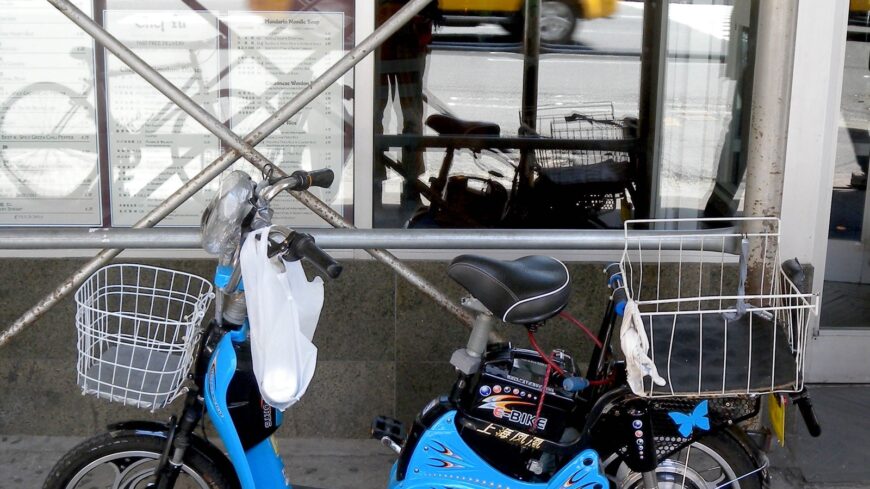
Austin City Council passed a May 28, 2026 resolution aimed at clarifying how the city regulates high-speed electric mini motorcycles, electric dirt bikes, and similar throttle-powered two-wheelers often described as e-motos, according to Austin Current’s reporting on the council vote. The official city resolution directs staff to review and update city rules, launch public education, review police training, and explore whether a legal recreation area could be created.
For riders, the important distinction is that Austin is not simply talking about normal pedal-assist e-bikes. The resolution points to Texas law defining an electric bicycle as a bicycle with operable pedals, a motor under 750 watts, and a top assisted speed of 28 mph or less.
What Austin’s Resolution Calls For
The city document says e-motos include throttle-powered, two-wheeled electric vehicles without functional pedals, including electric dirt bikes, electric pocket bikes, electric mini bikes, electric mini motorcycles, electric motorcycles, and similar vehicles.
The resolution directs the city manager to review and initiate updates to city code, administrative rules, and other city provisions. Those updates are supposed to address when e-moto operation is legal or prohibited, including operator age, licensing, registration, title, insurance, helmet or other safety-equipment requirements, and where the vehicles can be used.
The location piece is the part cyclists will notice first. The resolution specifically names bike lanes, sidewalks, trails, drainage or water-quality infrastructure, public parkland, and other places where traditional motor vehicles are not allowed.
Reports and Public Education Are Next
Austin’s resolution sets several deadlines. It directs staff to report back on code updates and recommended amendments by July 23, 2026. It also calls for a public awareness campaign to begin immediately, with a campaign progress report due by August 27, 2026.
The same August 27 deadline applies to a review of Austin Police Department training and general orders covering e-motorcycles, e-dirt bikes, the difference between electric bicycles and electric motorcycles, enforcement of local and state law, and procedures involving unlicensed minors under age 15.
Finally, the city manager is directed to explore a public recreation area for e-motos and provide a progress report by September 24, 2026.
Why It Matters for Riders
Bike lanes and shared-use paths work only when riders, walkers, and drivers can predict what belongs there. A legal Class 1, 2, or 3 e-bike is different from a throttle-only vehicle capable of motorcycle-like speeds, but the two can look similar from a distance and are often lumped together in public debate.
That matters beyond Austin. Cities are trying to separate useful electric-bike access from faster vehicles that may need motorcycle-style rules. If you ride, commute, or shop for an e-bike, it is worth knowing the local categories before buying. Icebike’s electric bike benefits guide is a good starting point, and riders should also check local bicycle helmet laws before assuming one rule fits every vehicle.
For commuters, the practical takeaway is simple: do not treat every electric two-wheeler as a bicycle. A bike lane that feels safe at bicycle speed can feel very different when a heavier throttle vehicle appears at motorcycle speed. Icebike’s bike commuting guide covers the everyday visibility and predictability habits that still matter even as vehicle categories change.
What Is Confirmed and What Is Not
The city resolution confirms the staff directions and report deadlines. Austin Current reported that the council passed the measure on May 28. Icebike has not independently confirmed final ordinance language because the resolution starts a review process; it does not itself create the full operating code.
Riders should also avoid assuming Austin’s next rules will match another city’s approach. The resolution directs staff to align with state and federal regulations where practical, but the actual local code amendments are still pending.
The Bottom Line
Austin is moving toward clearer rules for high-speed e-motos, especially where they overlap with bike lanes, sidewalks, trails, and youth use. For cyclists and e-bike shoppers, the story is less about one city hall vote and more about a category split that is becoming harder to ignore: legal e-bikes are not the same thing as throttle-only mini motorcycles.
Should you have any questions or require further clarification on the topic, please feel free to connect with our expert author Jerry O by leaving a comment below. We value your engagement and are here to assist you.